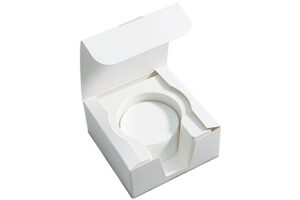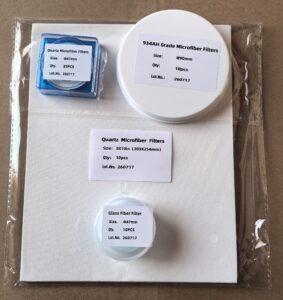


Air quality is a concern for many. We need to know what is in the air we breathe. Air monitoring filters play a crucial role in testing air quality. They collect samples of the air for analysis. Understanding the different types of air monitoring filters is essential for accurate results.
Air monitoring filters help in the first step of air quality testing: collecting representative air quality samples for analysis[^1]. They trap airborne particulate matter for testing, allowing lab technicians to measure and analyze pollutants effectively.
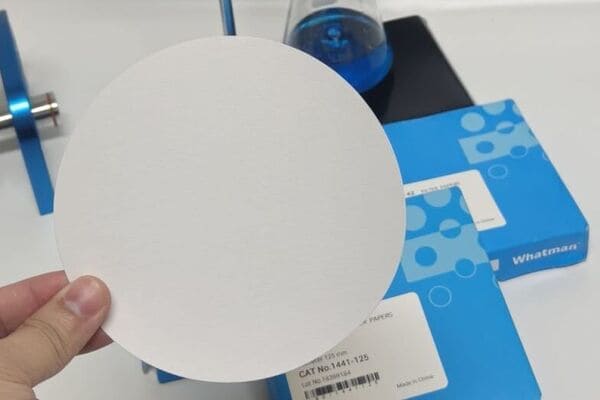
Choosing the right air monitoring filter matters. It can affect the reliability of your test results.[^2] Each type has its unique features and applications. In this blog post, I'll discuss four commonly used air monitoring filters. I want to help you understand their differences and applications.
What is Grade GF/A Air Sampling Filter?
Grade GF/A filters are widely used in air sampling. They are made from glass fiber and are designed for high-efficiency particulate air (HEPA) filtration[^3]. These filters can capture very small particles, making them ideal for monitoring air quality.
The GF/A filter's design allows for a fast flow rate, reducing the risk of sample contamination. This is crucial for obtaining accurate air quality data.
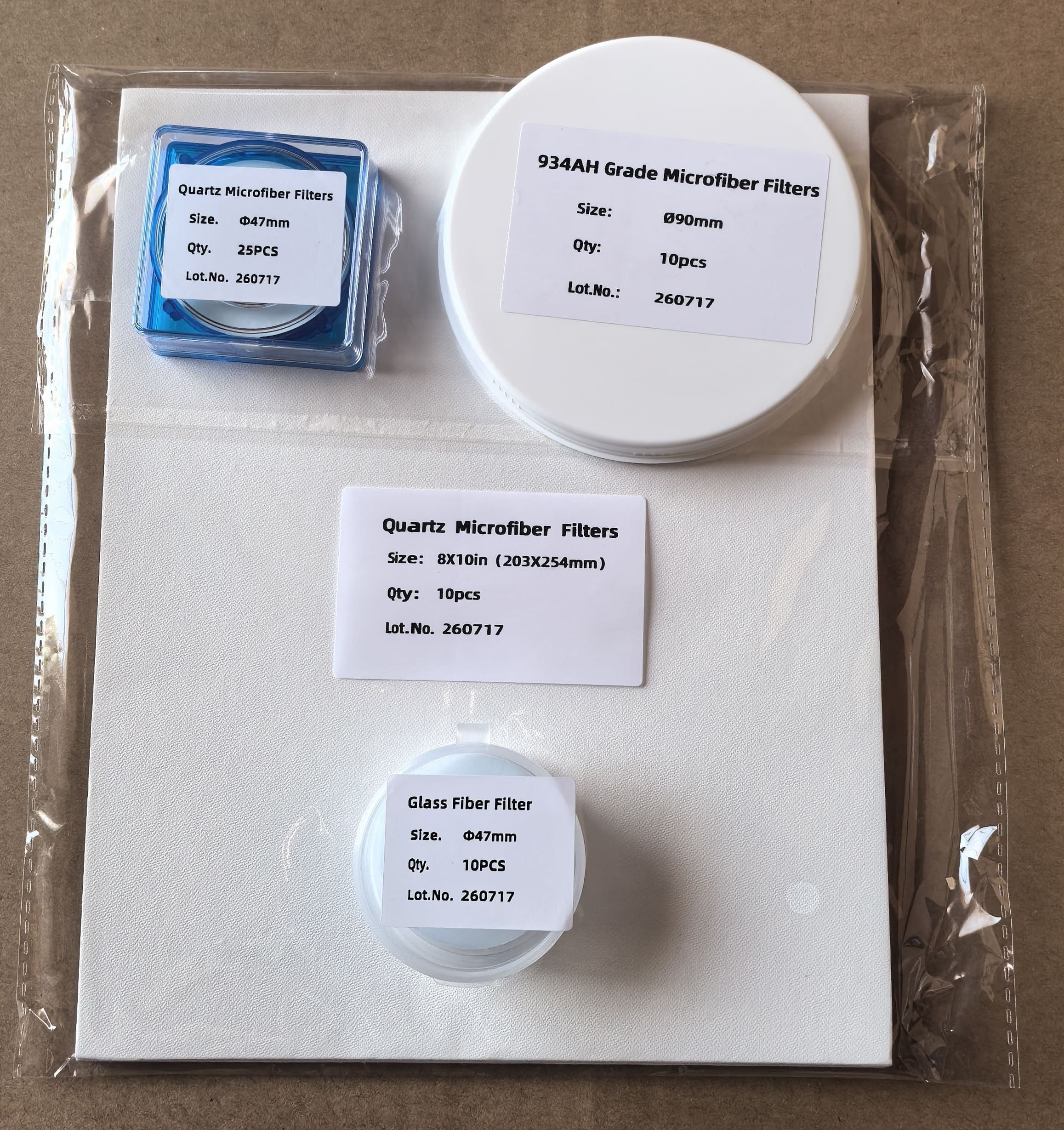
These filters are effective for capturing particulate matter (PM) in various environments. They are often used in industries like pharmaceuticals and environmental monitoring. I have seen how these filters improve the accuracy of air quality testing. They provide reliable data that can lead to better environmental decisions.
What is Grade EPM 2000 Air Sampling Filter?
The Grade EPM 2000 filter is another excellent choice for air sampling. This filter is made from a unique blend of materials that enhance its performance. It is designed to capture finer particles and is especially useful in monitoring PM2.5.
EPM 2000 filters provide high retention of airborne particles while maintaining good airflow[^4]. This makes them suitable for applications where time and efficiency are critical.

In my experience, the EPM 2000 filter excels in harsh environments. It can withstand a range of temperatures and is resistant to chemical damage. This makes it a perfect filter for environmental monitoring service companies. It ensures accurate sampling without compromising the integrity of the collected data.
What is PM2.5 Air Monitoring Membrane Filter?
PM2.5 air monitoring membrane filters are specifically designed to capture particulate matter that is 2.5 micrometers or smaller[^5]. These filters are essential for understanding the impacts of fine particulate pollution on health and the environment.
They provide a reliable means of collecting air samples for subsequent chemical analysis[^6]. This is key to understanding the composition of PM2.5 and its sources.

Using PM2.5 filters gives you valuable insights into air quality. I often recommend these filters for studies focusing on health impacts. They allow researchers to delve deeper into the effects of air pollution on human health.
What is QM-C Quartz Filter Paper?
QM-C quartz filter paper is an excellent choice for air monitoring, especially for high-temperature applications. This filter can withstand extreme conditions while providing high filtration efficiency.
This quartz filter is designed to collect challenging airborne particulate matter without any risk of degradation. It is ideal for sampling in environments that require high-temperature stability.
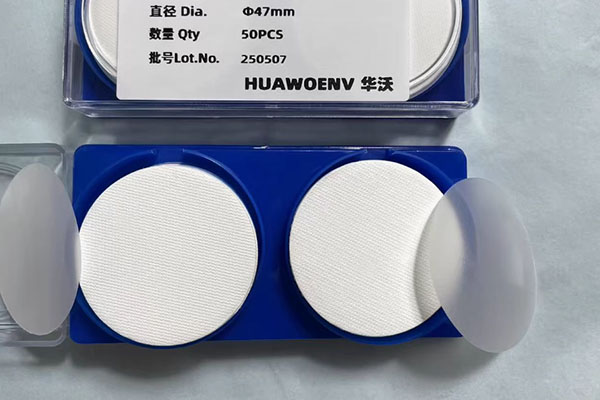
I believe that QM-C filters are vital for certain industries, especially in environmental monitoring and chemical testing. They help ensure that the data collected is accurate and reliable. I have seen how labs benefit from using quartz filter paper, especially in studies involving heavy metals and toxins.
Conclusion
Understanding the types of air monitoring filters is crucial for effective air quality testing. Each filter type has its unique advantages. Choosing the right one ensures reliable results and contributes to better air quality management.
[^1]: "Quality Assurance Guidance 2.12 - Monitoring PM2.5 In ...", https://www.epa.gov/sites/default/files/2021-03/documents/p100oi8x.pdf. EPA ambient air monitoring guidance describes particulate-matter filters as collection media used to obtain samples for subsequent measurement and analysis; this supports the general sampling role of filters but does not validate any specific filter grade. Evidence role: general_support; source type: government. Supports: Air monitoring filters help collect representative air quality samples for analysis.. Scope note: Contextual support only; representativeness also depends on sampler design, flow calibration, site selection, and handling procedures.
[^2]: "Review of Filters for Air Sampling and Chemical Analysis in ...", https://pmc.ncbi.nlm.nih.gov/articles/PMC10174218/. Air-monitoring quality-assurance guidance identifies filter media, handling, conditioning, and analytical compatibility as factors that can affect particulate-matter measurement quality; this supports the claim that filter choice influences reliability. Evidence role: expert_consensus; source type: government. Supports: Choosing the right air monitoring filter can affect the reliability of test results.. Scope note: The effect size depends on the pollutant, sampler, analytical endpoint, and field conditions.
[^3]: "What is a HEPA filter?", https://www.epa.gov/indoor-air-quality-iaq/what-hepa-filter. HEPA standards define high-efficiency particulate air filtration by minimum particle-removal performance, commonly around 99.97% at 0.3 micrometres in U.S. usage; this provides terminology context for assessing whether a GF/A medium should be described as HEPA. Evidence role: definition; source type: government. Supports: The phrase 'high-efficiency particulate air (HEPA) filtration' has a specific performance meaning relevant to the description of GF/A filters.. Scope note: A HEPA definition alone does not prove that Grade GF/A filters meet HEPA performance requirements; a direct certified test or specification would be needed.
[^4]: "Review of Filters for Air Sampling and Chemical Analysis in ...", https://pmc.ncbi.nlm.nih.gov/articles/PMC10174218/. Filter specifications and particulate-sampling methods report both particle retention efficiency and pressure drop or flow-rate requirements, supporting the need to balance capture performance with adequate airflow in air sampling. Evidence role: mechanism; source type: institution. Supports: EPM 2000 filters provide high retention of airborne particles while maintaining good airflow.. Scope note: A source must specifically address EPM 2000 to substantiate this exact grade; general sampling standards only support the retention–airflow tradeoff.
[^5]: "Particulate Matter (PM) Basics", https://www.epa.gov/pm-pollution/particulate-matter-pm-basics. EPA and WHO air-quality materials define PM2.5 as fine particulate matter with aerodynamic diameter of 2.5 micrometres or less and associate it with health-relevant air pollution monitoring. Evidence role: definition; source type: government. Supports: PM2.5 refers to particulate matter that is 2.5 micrometers or smaller.. Scope note: This supports the PM2.5 size definition and general health relevance, not the performance of a particular membrane filter.
[^6]: "Chemical Speciation Network (CSN) - Special Studies", https://www.epa.gov/amtic/chemical-speciation-network-csn-special-studies. EPA chemical speciation monitoring materials describe collecting fine particulate matter on filters for laboratory analysis of components such as ions, metals, and carbon fractions; this supports the use of PM2.5 filter samples for composition studies. Evidence role: general_support; source type: government. Supports: PM2.5 filters provide a means of collecting air samples for subsequent chemical analysis.. Scope note: The source supports the analytical use of PM2.5 filter samples generally, not the suitability of every membrane material for every chemical analyte.