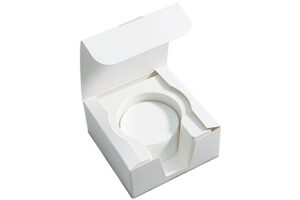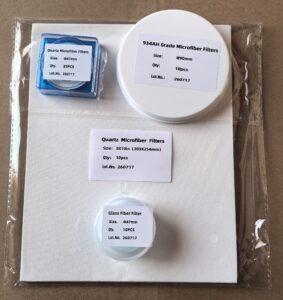


Air quality testing begins with collecting representative samples. It's essential to have the right tools. That's why understanding the different types of air monitoring filters is crucial.
Air monitoring filters help capture airborne particulate matter (PM) for analysis.[^1] These filters trap particles and allow us to evaluate air quality accurately.
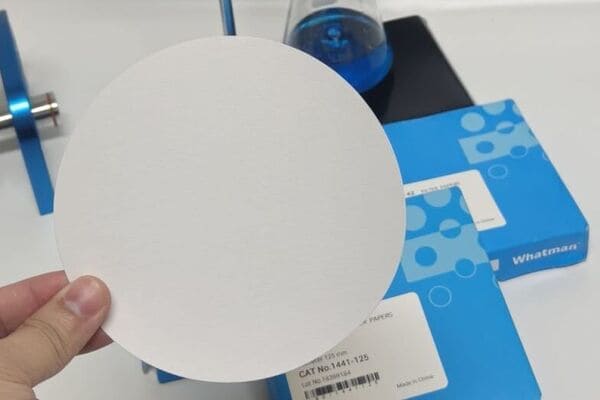
Choosing the correct air sampling filter can make or break your analysis. With various options available, knowing which filter to use based on your application is vital. This can determine the quality of your results and influence your findings in critical environmental assessments.
What are the main types of air monitoring filters?
Air monitoring filters come in several types, and each serves a unique purpose. The selection of the right filter is essential for obtaining accurate results in air quality monitoring.[^2]
1. Grade GF/A Air Sampling Filters: This filter is made from glass fiber. It has a high dirt-holding capacity and can handle particulate matter efficiently. It is ideal for general air quality testing.
2. Grade EPM 2000 Air Sampling Filter: This is a more specialized option. It provides high filtration efficiency for fine particulate matter. This filter is often used in environments with specific air quality concerns.
3. PM2.5 Air Monitoring Membrane Filters: These filters are designed for capturing fine particles, specifically those that are 2.5 micrometers or smaller. They are crucial for studies related to health effects and pollution[^3].
4. QM-C Quartz Filter Paper: This type of filter is excellent for high-temperature applications. It can withstand extreme environments and is often used for sampling in industrial settings.
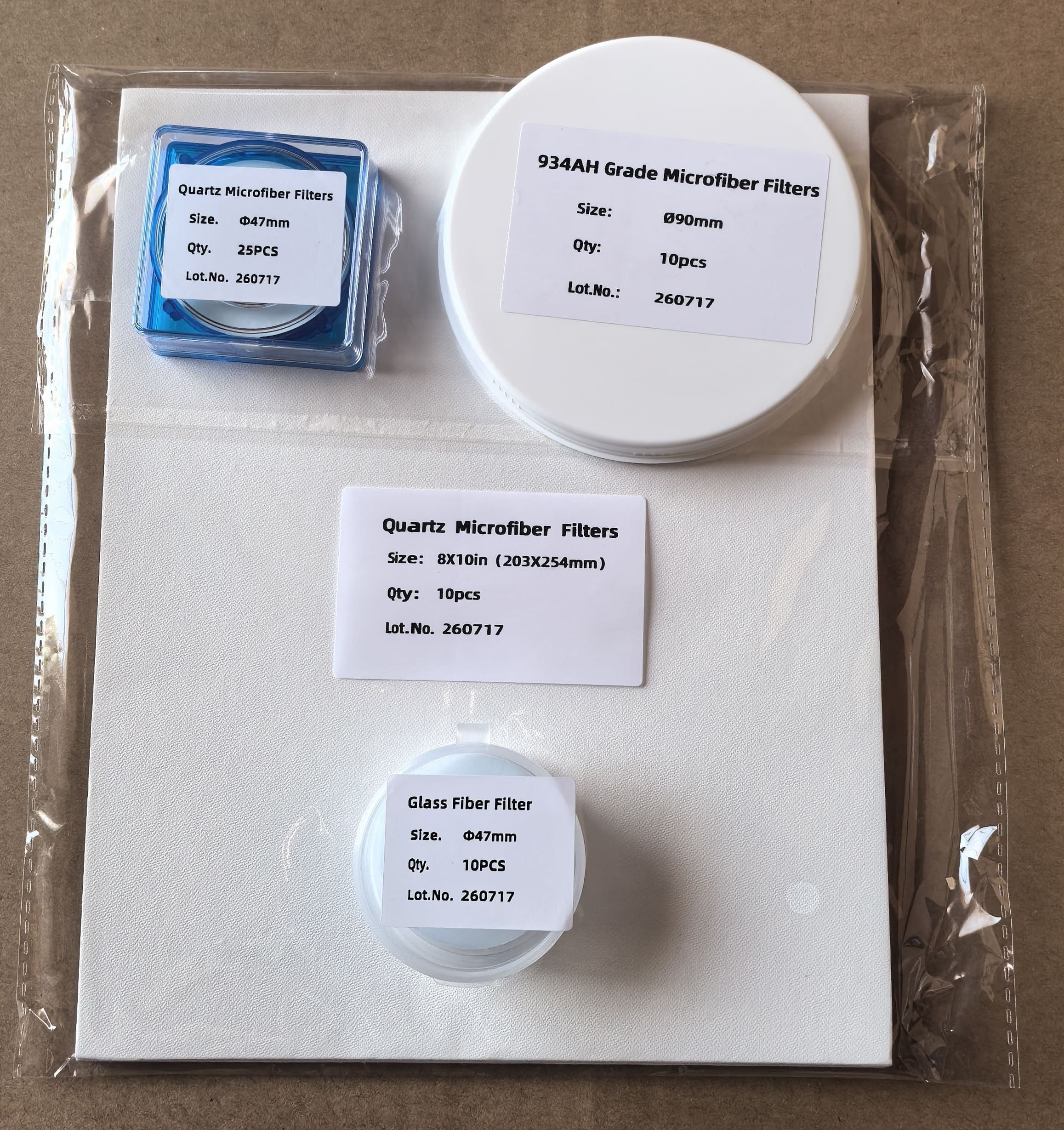
When selecting an air filter, consider the environment it will be used in. Some filters can endure harsh chemicals and high temperatures, while others may not be suitable for such conditions. The right choice helps ensure the integrity of your samples and the accuracy of your results.
Why is the selection of the right air monitoring filter important?
The choice of an air monitoring filter is critical for several reasons. It can influence the quality and reliability of your test results. If you use a filter that is not suitable for your specific application, it can lead to contaminated samples and inaccurate data.
Airborne particulate matter (PM) consists of tiny solid particles and liquid droplets. These particles can vary in size and composition, which is why different filters are designed for different types of monitoring. For example, if you are measuring air pollution from industrial stacks, you need a filter that can withstand high temperatures and aggressive chemicals.[^4]
Using the wrong filter can result in a loss of important data. Moreover, it can lead to increased costs due to repeat testing. Therefore, understanding your specific needs and selecting the right filter is essential for success in air quality monitoring.
Conclusion
Choosing the appropriate air monitoring filter is key to reliable air quality testing. The right filter helps capture accurate samples, ensuring that you can trust your results.
[^1]: "Review of Filters for Air Sampling and Chemical Analysis in ...", https://pmc.ncbi.nlm.nih.gov/articles/PMC10174218/. U.S. EPA and occupational sampling methods describe filter-based sampling as a standard way to collect airborne particulate matter for later gravimetric or chemical analysis. Evidence role: definition; source type: government. Supports: Air monitoring filters capture airborne particulate matter for subsequent analysis.. Scope note: This supports the general sampling function of filters, not the performance of every filter type listed in the article.
[^2]: "Quality Assurance Handbook for Air Pollution ...", https://www.epa.gov/sites/default/files/2020-10/documents/final_handbook_document_1_17.pdf. EPA air-monitoring quality assurance and method documents discuss filter media selection, collection efficiency, chemical compatibility, and sampling artifacts as factors that affect particulate-matter measurement quality. Evidence role: expert_consensus; source type: government. Supports: Choosing the correct filter is important for accurate air quality monitoring results.. Scope note: The support is methodological and context-dependent; the appropriate filter varies by pollutant, sampling method, and analytical endpoint.
[^3]: "Health Effects of Long-Term Exposure to Ambient PM2.5 in ...", https://pmc.ncbi.nlm.nih.gov/articles/PMC9090712/. WHO and EPA summaries identify PM2.5 as a major ambient air pollutant associated with adverse cardiovascular and respiratory outcomes, explaining why PM2.5 sampling is commonly used in health and pollution research. Evidence role: expert_consensus; source type: institution. Supports: PM2.5 monitoring is important for research on health effects and pollution.. Scope note: This supports the relevance of PM2.5 monitoring to health research generally, not any specific study design or filter brand.
[^4]: "Method 5 - Determination of Particulate Matter Emissions ...", https://www.epa.gov/sites/default/files/2021-05/documents/method_5_-_2020_12_07_0.pdf. EPA stationary-source particulate sampling methods specify filter assemblies and media requirements for heated exhaust sampling, supporting the need for filters compatible with stack-sampling conditions. Evidence role: mechanism; source type: government. Supports: Industrial stack sampling can require filters that tolerate elevated temperatures and challenging sampling conditions.. Scope note: The cited methods support temperature and method-compatibility requirements for particular stack tests; they may not directly prove that all industrial stacks involve aggressive chemical exposure.