When it comes to laboratory filtration, Whatman is often the gold standard. Their products are known for reliability and market leadership. But is there an alternative? Yes, HuaEnv offers equally high-quality options.
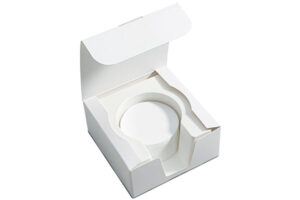
The Whatman GF/C glass microfiber filter, 47mm, is a reliable choice for total suspended solids analysis in potable and wastewater testing[^1]. It has a particle retention of 1.2 µm, nominal thickness of 260 µm, and a maximum recommended temperature of 550°C[^2].
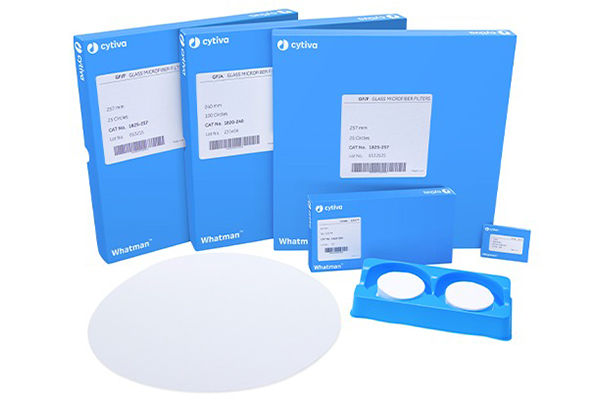
It’s clear the GF/C filter is popular, but for those looking for alternatives, the market is not limited. Let's explore why and how HuaEnv provides comparable quality and flexibility.
Why are glass microfiber filters like GF/C so essential?
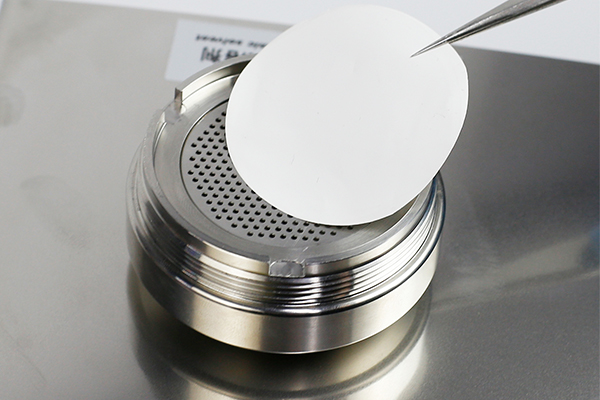
Laboratory filtration is critical in environmental monitoring, water analysis, and other applications[^3]. The GF/C 47mm filters are widely used for total suspended solids testing due to their precision and efficiency.
GF/C filters are essential because they offer high flow rates, excellent loading capacity, and precise particle retention[^4], supporting accurate test results for potable and wastewater analysis.
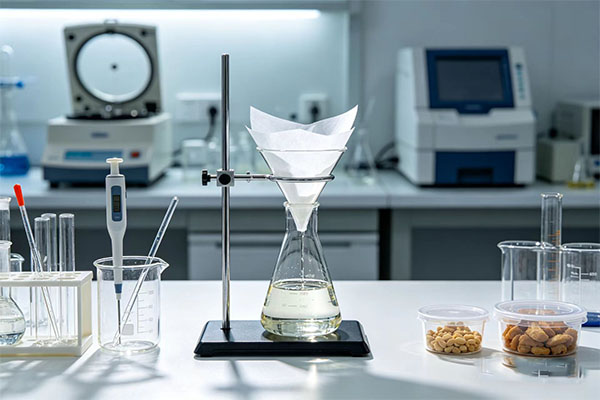
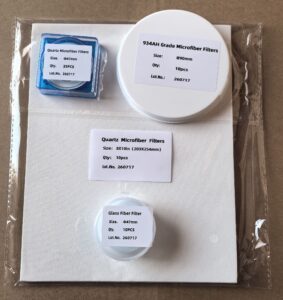
HuaEnv offers similar products with customizable options. They allow for circle and sheet shapes in various sizes, tailored to specific needs. This flexibility is attractive for labs requiring alternatives to standard products.
How does HuaEnv compare to Whatman in quality?
Whatman sets a high benchmark for quality, which is why it dominates the market. HuaEnv, however, competes confidently by adhering to ISO standards[^5] and producing filters with consistent performance.
HuaEnv glass microfiber filters match Whatman’s quality through stringent manufacturing practices, precision cutting, and rigorous testing for retention, thickness, and flow rate consistency[^6].
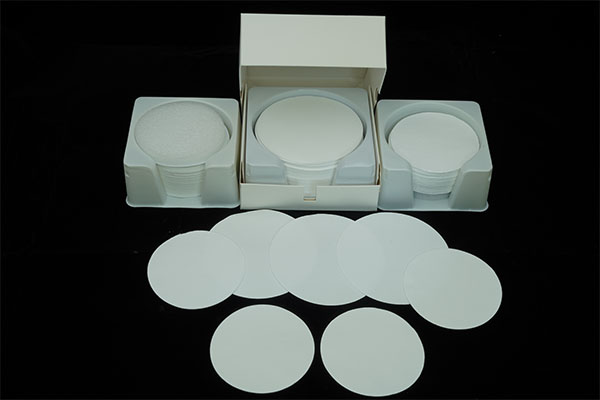
HuaEnv’s filters are binder-free, can withstand temperatures up to 550°C[^7], and have comparable nominal air and water flow rates. This makes them ideal for total suspended solids analysis, helping labs achieve reliable results without compromising standards.
Can HuaEnv filters provide customization options for laboratories?
Customization is a growing demand in laboratory settings. Labs often require filters in specific dimensions or shapes[^8] to accommodate unique experiments. HuaEnv excels in providing tailored solutions.
HuaEnv filters can be customized into circles or sheets, in various sizes, ensuring they meet diverse lab requirements. Free samples are available for testing their compatibility with specific applications.

This flexibility is particularly beneficial for labs handling specialized tasks or looking for cost-effective alternatives to premium brands without sacrificing quality.
Are HuaEnv filters cost-effective?
Budget constraints are common in research environments, making cost-effective alternatives appealing. While Whatman filters are highly regarded, their pricing can be a barrier for smaller labs.
HuaEnv filters offer a competitive price point, providing high-quality performance at a lower cost than Whatman, making them a viable option for budget-conscious laboratories.
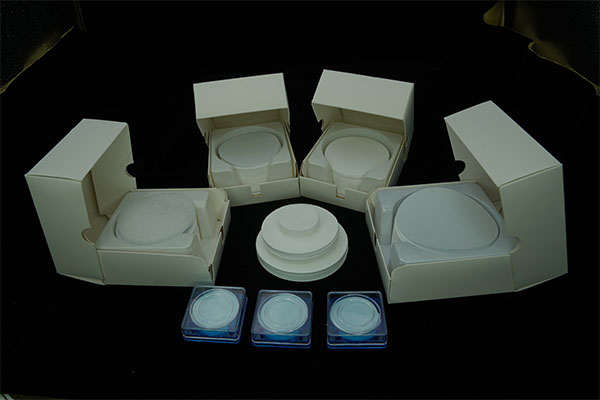
By offering flexible purchasing options like small-batch orders, HuaEnv accommodates various scales of operations while ensuring consistent quality for critical experiments.
Does HuaEnv provide technical support and sample availability?
When switching to a new supplier, labs often need reassurance about product compatibility and performance. HuaEnv addresses this by offering technical guidance and free samples.
HuaEnv’s commitment to customer support includes professional guidance for product selection and free samples to validate performance during testing phases.
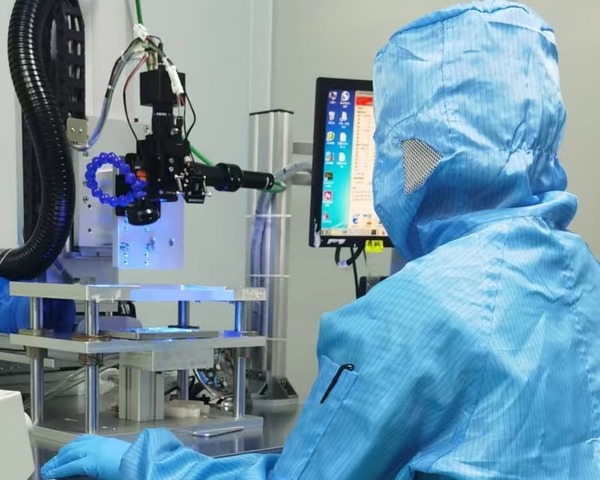
This proactive approach ensures labs can transition seamlessly to HuaEnv products while maintaining the reliability they expect from premium brands.
Conclusion
HuaEnv glass microfiber filters provide a high-quality alternative to Whatman GF/C 47mm filters. With comparable specifications, customizable options, and cost-effective pricing, HuaEnv meets diverse lab needs while ensuring reliable results. Why not give their free sample a try?
[^1]: "[PDF] Method 160.2", https://www.uvm.edu/bwrl/lab_docs/protocols/106.2_TSS_by_gravimetry_(EPA_1971).pdf. EPA and Standard Methods procedures for total suspended solids describe gravimetric analysis using glass-fiber filtration for water and wastewater samples, providing methodological context for the use of GF/C-type filters. Evidence role: mechanism; source type: government. Supports: Glass microfiber filters such as Whatman GF/C are used for total suspended solids analysis in potable and wastewater testing.. Scope note: The method support is general to glass-fiber filters and may not prescribe Whatman GF/C specifically in every protocol.
[^2]: "Whatman ® glass microfiber grade GF/C filter discs 1.2 μm pore size", https://www.sigmaaldrich.com/US/en/product/aldrich/wha1822024?srsltid=AfmBOoqPZOrxUQ5WY8zdWNHly0yEnoYUf1a2Kutk3y86-h1KGtlLZyHX. A Whatman Grade GF/C product specification sheet lists nominal particle retention of 1.2 µm, approximate thickness of 260 µm, and a maximum recommended operating temperature of 550°C. Evidence role: definition; source type: other. Supports: The Whatman GF/C glass microfiber filter has 1.2 µm particle retention, 260 µm nominal thickness, and a 550°C maximum recommended temperature.. Scope note: This supports the stated product specifications but does not independently verify field performance.
[^3]: "[PDF] TOTAL SUSPENDED SOLIDS (TSS) EPA Method 160.2 ...", https://19january2017snapshot.epa.gov/sites/production/files/2015-06/documents/160_2.pdf. Environmental monitoring and water-analysis protocols commonly use filtration to separate suspended particulates from water samples before gravimetric, chemical, or microbiological measurement. Evidence role: general_support; source type: government. Supports: Laboratory filtration is critical in environmental monitoring and water analysis.. Scope note: This supports the general importance of filtration in these workflows rather than the superiority of any particular filter brand.
[^4]: "[PDF] Whatman filtration Product guide", https://macro.lsu.edu/HowTo/Whatman-filtration-product-guide.pdf. Glass microfiber filter references describe borosilicate glass-fiber media as having high flow characteristics, substantial particulate loading capacity, and defined nominal retention ratings used for analytical filtration. Evidence role: mechanism; source type: other. Supports: GF/C-type glass microfiber filters offer high flow rates, loading capacity, and defined particle retention.. Scope note: Such sources generally describe the filter class or product grade and may not prove identical performance across all manufacturers or sample matrices.
[^5]: "Glass Microfiber Filter - Professional Laboratory Filtration Solutions", https://huaenv.com/product/glass-microfiber-filter/. An ISO certificate or accredited certification-register entry can document whether HuaEnv’s relevant manufacturing site operates under a specified ISO management standard. Evidence role: expert_consensus; source type: institution. Supports: HuaEnv adheres to ISO standards in manufacturing or quality management.. Scope note: ISO certification indicates a documented management system; it does not by itself establish equivalence to Whatman filter performance.
[^6]: "[PDF] CY-2014 Glass Fiber Filters - EPA", https://www.epa.gov/sites/default/files/2020-10/documents/2014glassreport.pdf. Batch quality-control documentation or a technical specification with tolerance ranges can support claims that HuaEnv monitors retention, thickness, and flow-rate consistency during production. Evidence role: general_support; source type: other. Supports: HuaEnv tests or controls retention, thickness, and flow-rate consistency for its glass microfiber filters.. Scope note: Specification limits or QC procedures demonstrate intended control of these parameters, not necessarily parity with Whatman unless comparative data are included.
[^7]: "Glass Microfiber Filter - Professional Laboratory Filtration Solutions", https://huaenv.com/product/glass-microfiber-filter/. A HuaEnv product specification or technical datasheet for its glass microfiber filters can substantiate whether the filters are binder-free and rated for use at temperatures up to 550°C. Evidence role: definition; source type: other. Supports: HuaEnv glass microfiber filters are binder-free and can withstand temperatures up to 550°C.. Scope note: A manufacturer datasheet supports the stated specifications but is not independent comparative testing against Whatman products.
[^8]: "[PDF] Method 160.2", https://www.uvm.edu/bwrl/lab_docs/protocols/106.2_TSS_by_gravimetry_(EPA_1971).pdf. Standard filtration apparatus and analytical methods specify filter diameters or formats according to equipment and method requirements, supporting the practical need for filters in particular dimensions and shapes. Evidence role: mechanism; source type: government. Supports: Laboratories may require filters in specific dimensions or shapes to fit particular apparatus or methods.. Scope note: This supports the general laboratory need for size compatibility, not the availability or quality of HuaEnv’s custom products.