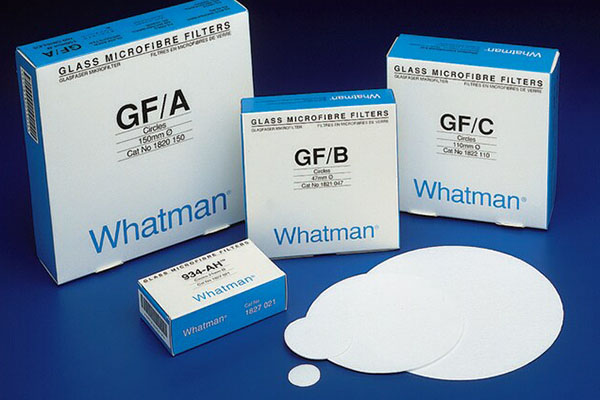
Whatman has long been synonymous with high-quality filtration in the life sciences, particularly their glass microfiber filters. But recent developments indicate a shift in the market dynamics.
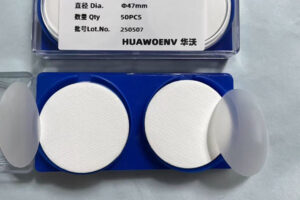
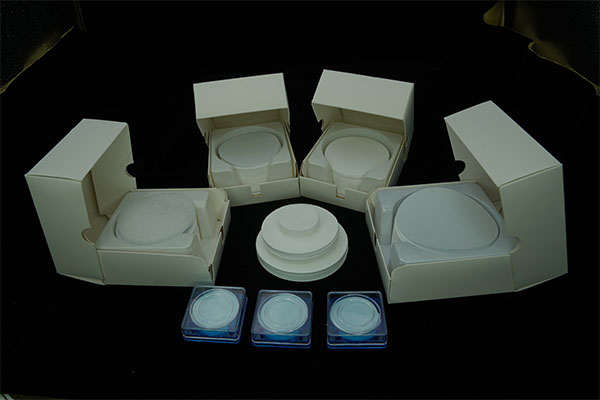
HuaEnv[^1], a Chinese enterprise, has emerged as a formidable competitor. They have developed their own Glass fiber filter production line, offering a range of alternatives that match Whatman's products, including GF/A, GF/B, GF/C, GF/D, GF/F, 934-AH, and EPM2000. HuaEnv[^1] even provides free samples for testing.
This transition could be pivotal for laboratories seeking cost-effective, high-quality filtration solutions. Let's explore these alternatives and see how they stack up against the established giants.
What makes Whatman GF/A filters[^2] popular?
In the realm of laboratory filtration, Whatman GF/A filters[^2] have set a benchmark. Known for their fine particle retention, they are indispensable in critical analyses.
The GF/A filters are binder-free[^3], making them ideal for retaining particles even at high flow rates. Their quality ensures accurate results, a necessity in advanced scientific research.
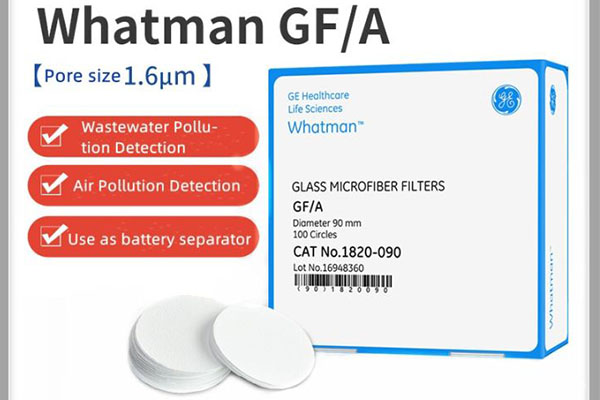
Whatman GF/A filters[^2] are favored because their design facilitates efficient filtration while ensuring minimal interference in sample analysis. The binder-free[^3] composition means no unwanted substances are introduced during filtration, preserving sample integrity. The filters' robust structure and high particle retention capacity make them a staple across various scientific fields, including environmental monitoring and biochemical research.
How does HuaEnv[^1] compare to Whatman?
HuaEnv[^1]'s entrance into the market challenges the status quo by offering similar quality glass microfiber filters at competitive prices.
HuaEnv[^1]'s filters are designed to match Whatman's specifications, including the binder-free[^3] feature. They promise similar, if not superior, filtration efficiency and particle retention.
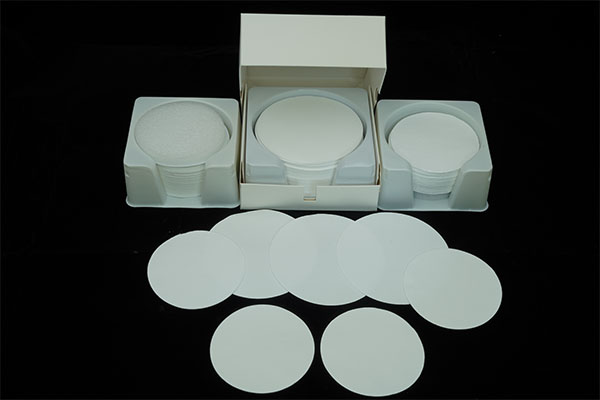
The shift towards HuaEnv[^1]'s products is driven by their cost-effectiveness and availability in small batches, allowing labs to test and verify quality before committing to larger purchases. Besides, HuaEnv[^1]'s flexibility in production offers customized solutions for diverse laboratory needs. Their filters cater to both routine and specialized applications, making them appealing to labs looking to balance budget and performance without compromising quality or sample integrity.
Are alternative glass microfiber filters[^4] reliable?
Considering alternatives might seem daunting, but HuaEnv[^1]'s consistent quality and adaptability offer reassurance.
HuaEnv[^1] provides glass microfiber filters that maintain high filtration standards, showcasing durability and reliability in various testing environments.
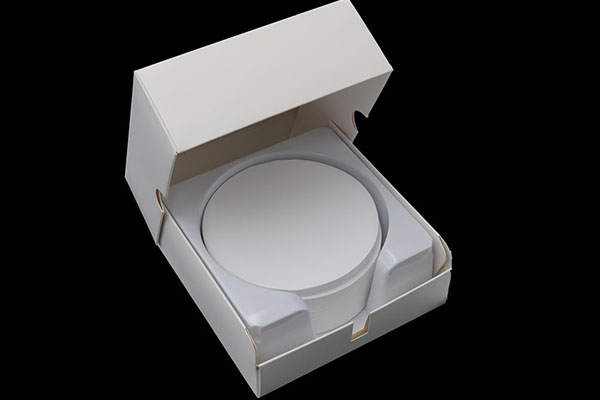
The reliability of HuaEnv[^1]'s filters lies in their meticulous manufacturing process, which ensures consistency in particle retention and filtration efficiency. Their filters undergo rigorous testing to meet international standards, making them trustworthy for sensitive analyses. The availability of free samples further empowers laboratories to conduct comparative tests and validate performance against established brands. This strategic move aids labs in making informed decisions, fostering trust in HuaEnv[^1]'s capabilities and positioning them as a credible alternative in the market.
Conclusion
The shift towards HuaEnv[^1] glass microfiber filters offers labs a competitive, high-quality alternative to Whatman, ensuring reliable filtration and significant cost savings.
[^1]: Learn about HuaEnv's competitive offerings and how they challenge traditional filtration solutions in the market.
[^2]: Discover why Whatman GF/A filters are essential for precise analyses and how they maintain sample integrity.
[^3]: Understand the significance of binder-free filters and their impact on sample purity and filtration efficiency.
[^4]: Investigate the reliability of alternative glass microfiber filters and their performance in various testing environments.