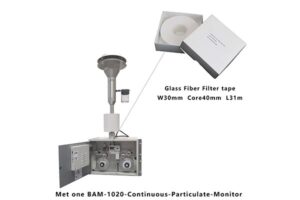

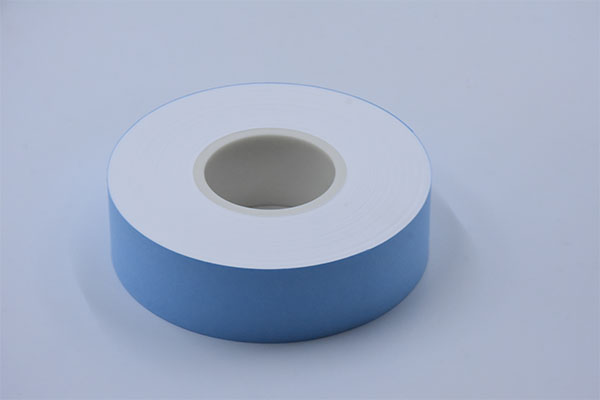
Selecting the right material for BAM 1020 filter tape[^1] is crucial for effective PM2.5/PM10 monitoring[^2]. It must meet stringent criteria for performance and durability.
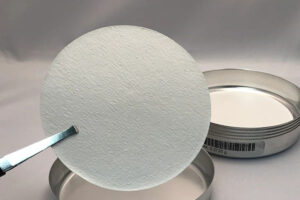
BAM 1020 filter tape[^1] typically uses a hydrophobic glass microfiber filter membrane[^3] with an organic binder[^4]. This material offers a high flow rate[^5] and retention of more than 99.995% for particles sized 0.3-0.5 micrometers. Additionally, it excels in non-specific adsorption[^6], weight stability, mechanical stability[^7], and can withstand temperatures up to 180°C.
For those involved in environmental monitoring, understanding the specifics of filter tape materials ensures optimal data collection and analysis. Let's delve deeper into the considerations for BAM 1020 filter tape[^1].
Why choose a glass microfiber filter membrane?
Choosing the right filter material is pivotal when dealing with PM2.5/PM10 monitoring[^2].
Glass microfiber filter membranes are favored because they provide excellent retention rates, mechanical stability[^7], and high-temperature resistance. These filters are designed to capture fine particles efficiently while maintaining their integrity under challenging environmental conditions.
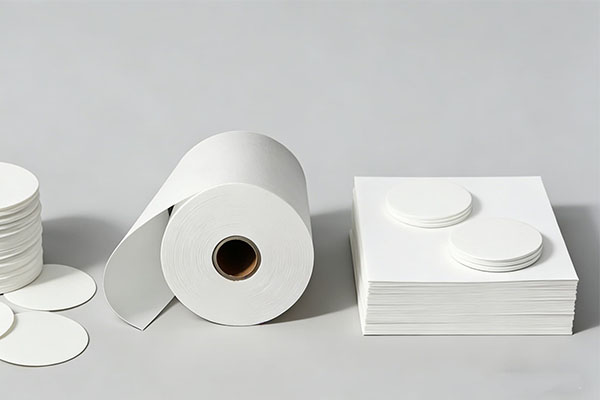
This type of material is particularly suitable for PM monitoring due to its unique properties. It can capture tiny particulate matter effectively, and its hydrophobic nature reduces non-specific adsorption[^6]. Furthermore, the organic binder[^4] within the filter tape enhances its structural integrity, making it reliable for continuous use. The mechanical durability and weight stability ensure consistent performance, crucial for accurate monitoring results. By adhering to these specifications, environmental professionals can ensure that their monitoring equipment functions optimally, providing reliable data for air quality assessments.
What makes BAM 1020 filter tape[^1] unique for environmental monitoring?
Understanding the uniqueness of BAM 1020 filter tape[^1] enables efficient environmental monitoring.
The BAM 1020 filter tape[^1] is distinct due to its ability to perform under high temperatures and its exceptional particle retention capabilities. Its hydrophobic glass microfiber construction minimizes interference from moisture, ensuring precise readings.
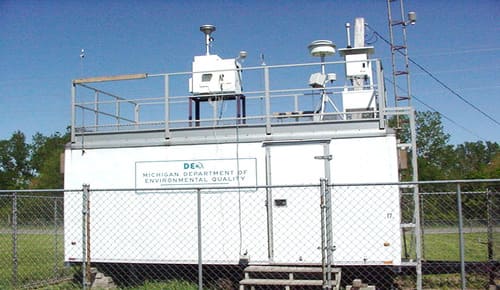
The filter tape's composition allows for effective PM2.5/PM10 capture through online monitoring systems. Its resilience under high temperatures and mechanical stability[^7] make it suitable for use in various environmental conditions. Moreover, the low non-specific adsorption[^6] characteristic of the tape ensures that the readings are not compromised by extraneous substances. This precision is vital when employing β-ray or infrared weighing methods for quantitative assessments. Thus, the BAM 1020 filter tape[^1] is integral for professionals who demand accuracy and reliability in air quality monitoring.
How does BAM 1020 filter tape[^1] contribute to aerosol and carbon black collection[^8]?
Effective collection of aerosols and carbon black requires understanding the role of BAM 1020 filter tape[^1].
BAM 1020 filter tape[^1] efficiently collects aerosols and carbon black due to its glass microfiber construction, which optimizes particle retention and reduces contamination risks.

By using this type of filter tape, environmental technicians can ensure the accurate collection of targeted particulates. The filter's design minimizes the adsorption of unintended substances, thereby preserving the integrity of collected samples. Its high-temperature resistance is particularly beneficial when dealing with challenging sample environments, where maintaining stability and performance is critical. The tape's robust construction supports continuous operation, allowing for uninterrupted data collection. This reliability is essential for comprehensive environmental monitoring, as it ensures that professionals can trust the data collected during aerosol and carbon black assessments.
Conclusion
Selecting BAM 1020 filter tape[^1], with its hydrophobic glass microfiber membrane, ensures reliable and precise PM2.5/PM10 monitoring[^2].
[^1]: Explore this link to understand the significance of BAM 1020 filter tape in ensuring accurate air quality assessments.
[^2]: Discover the critical role of PM2.5/PM10 monitoring in assessing and improving air quality.
[^3]: Learn about the advantages of hydrophobic glass microfiber membranes for effective particle retention and monitoring.
[^4]: Discover how organic binders enhance the structural integrity and performance of filter tapes.
[^5]: Understand how high flow rates in filters contribute to efficient air sampling and monitoring.
[^6]: Explore the concept of non-specific adsorption and its impact on the accuracy of environmental monitoring.
[^7]: Learn why mechanical stability is crucial for maintaining filter integrity in challenging conditions.
[^8]: Find out about effective techniques for collecting aerosols and carbon black in environmental studies.