
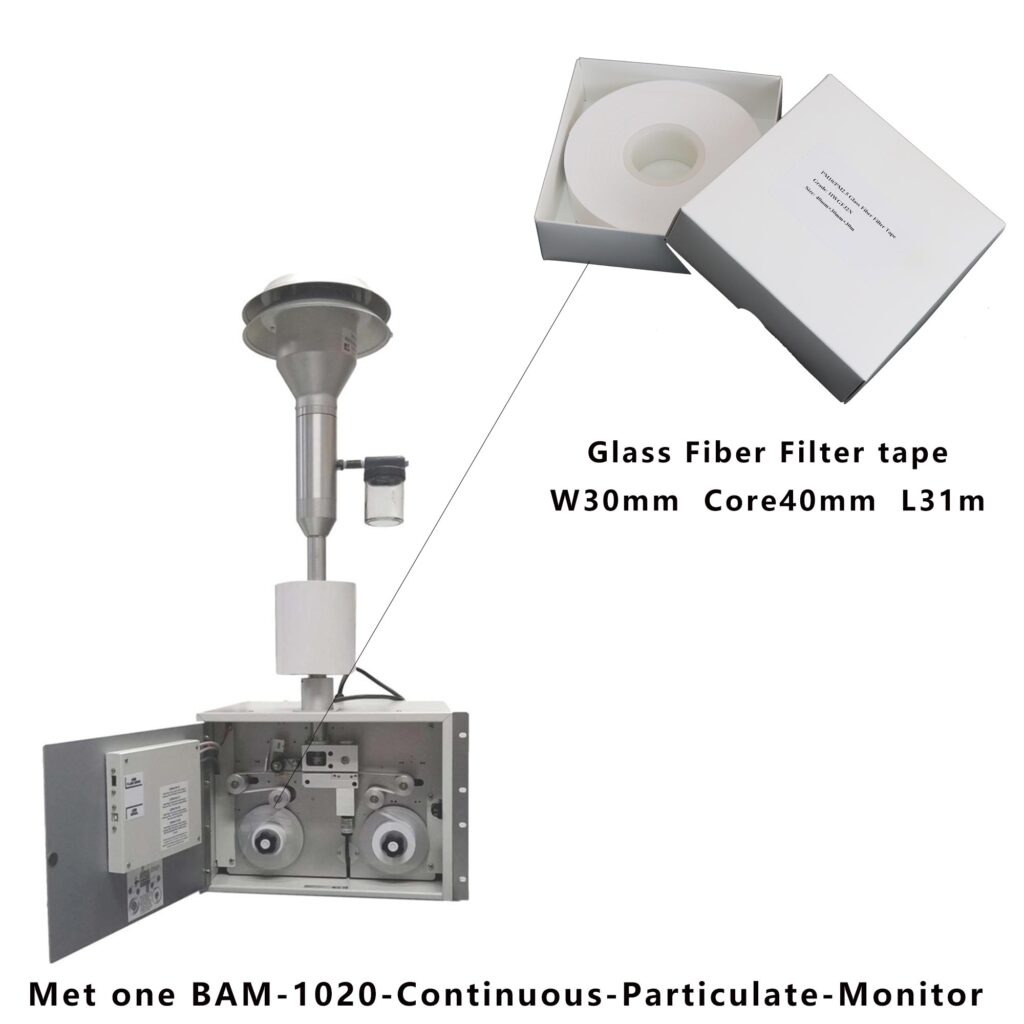
The BAM 1020 filter tape[^1] is vital for accurate air quality monitoring. Choosing the right material is crucial to ensure reliability and efficiency.
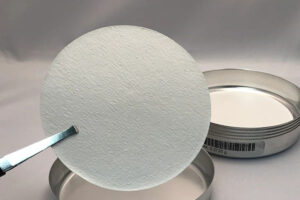
The ideal material for BAM 1020 filter tape[^1] is a hydrophobic glass microfiber filter[^2] with an organic binder[^3]. It efficiently captures particles between 0.3 to 0.5 micrometers, boasting a retention rate of over 99.995%. Its quick flow rate, combined with low non-specific adsorption, makes it highly effective. It offers excellent weight and mechanical stability[^4], capable of withstanding temperatures up to 180°C, making it suitable for PM2.5/PM10 online monitoring and aerosol collection[^5].
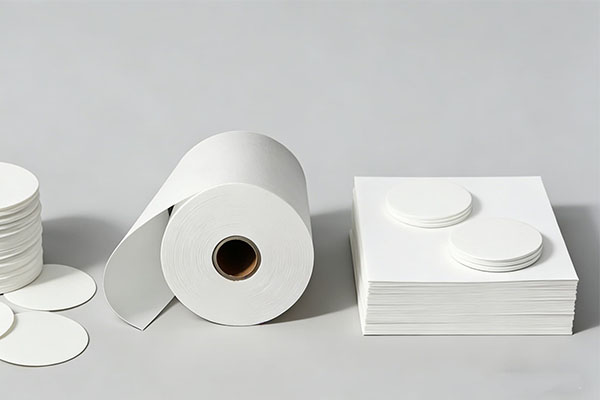
When it comes to monitoring air quality, the right material can make all the difference. Let's explore what makes BAM 1020 filter tape[^1] unique.
What is BAM 1020 filter tape[^1]?
Air quality monitoring is a task that demands precision and reliability. BAM 1020 filter tape[^1], with its unique composition, is designed to provide accurate results in challenging environments.
The BAM 1020 filter tape[^1], primarily composed of glass microfiber with an organic binder[^3], offers a hydrophobic surface. This composition ensures fast airflow and high particle retention, capturing over 99.995% of particles sized 0.3 to 0.5 micrometers. Its low non-specific adsorption and superior mechanical stability[^4] make it ideal for continuous air quality monitoring, including PM2.5/PM10 and aerosol collection[^5] using β-ray or infrared weighing methods.

The filter tape works efficiently due to its structure and properties. Its mechanical stability[^4] allows for consistent performance even under varying environmental conditions. The organic binder[^3] contributes to its durability, maintaining integrity at high temperatures. This makes BAM 1020 filter tape[^1] suitable for various applications, ensuring reliable data collection crucial for environmental research and policy-making.
How does the BAM 1020 filter tape[^1] operate under high temperatures?
High-temperature environments often challenge filtration materials, but BAM 1020 filter tape[^1] is designed to withstand these conditions without compromising performance.
BAM 1020 filter tape[^1] is engineered to endure temperatures up to 180°C. This resilience is due to its glass microfiber composition with an organic binder[^3]. The material maintains its mechanical stability[^4] and weight consistency, crucial for accurate data measurement in high-temperature environments. This property ensures that the filter tape performs optimally during PM2.5/PM10 monitoring[^6] and aerosol collection[^5], providing reliable quantitative analysis through β-ray or infrared methods.
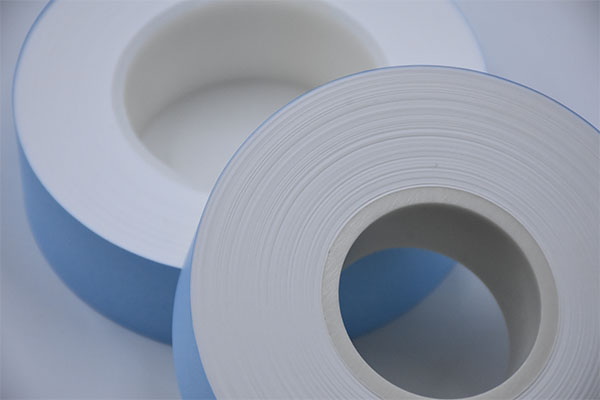
The filter tape remains stable under thermal stress, ensuring that volatile compounds do not affect measurement accuracy. It retains particle integrity, making it effective even in extreme conditions. This adaptability is essential for continuous monitoring in industries and regions where temperature fluctuations are common, ensuring that air quality data remains precise and actionable.
Why is mechanical stability[^4] important for BAM 1020 filter tape[^1]?
Mechanical stability is crucial for filter tapes, as it ensures consistent performance and reliable data collection in air quality monitoring.
BAM 1020 filter tape[^1]'s mechanical stability[^4] is one of its standout features. This stability ensures that the tape can handle the rigors of continuous monitoring without degradation. The glass microfiber composition with an organic binder[^3] provides strength and durability, maintaining its form and function during PM2.5/PM10 and aerosol monitoring processes. This reliability is vital for quantitative analysis using β-ray or infrared methods.
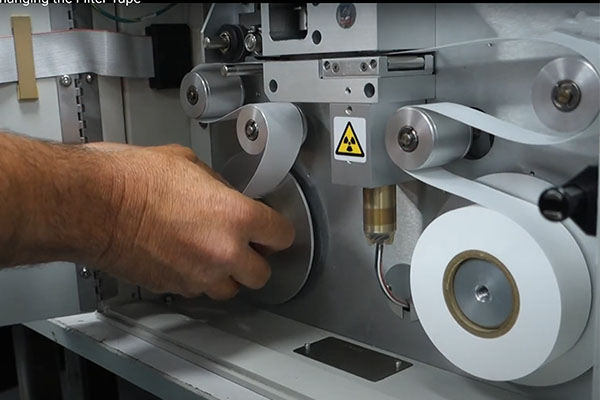
The mechanical stability[^4] of BAM 1020 filter tape[^1] prevents stretching or tearing during use, maintaining the integrity required for precise measurement. It allows for consistent airflow and particle retention, ensuring that collected data is accurate and reflects true environmental conditions. This stability is indispensable for researchers and industry professionals who rely on reliable data for environmental assessments and regulatory compliance.
Conclusion
In choosing BAM 1020 filter tape[^1], the hydrophobic glass microfiber with organic binder[^3] excels in reliability, efficiency, and adaptability, making it ideal for air quality monitoring.
[^1]: Explore this link to understand the applications and significance of BAM 1020 filter tape in air quality monitoring. [^2]: Discover the advantages of hydrophobic glass microfiber filters and how they enhance air quality monitoring. [^3]: Discover how organic binders contribute to the performance and durability of filter materials like BAM 1020. [^4]: Understand the importance of mechanical stability in filter tapes and its effect on data reliability. [^5]: Learn about the various methods for aerosol collection and the significance of using the right filter tape. [^6]: Find out how PM2.5/PM10 monitoring is performed and the role of filter tape in ensuring accurate results.