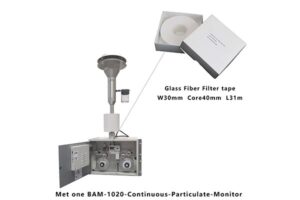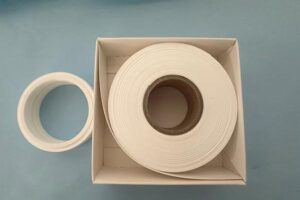

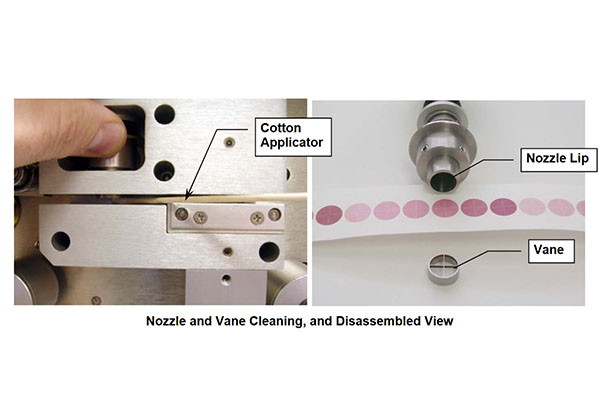
The Met One Instruments BAM 1020[^1] is a device that automatically measures and records ambient particulate mass concentration levels using beta ray attenuation. However, users often find the glass fiber filter tape[^2] breaks easily during use, causing inconvenience and data loss.
BAM Glass Fiber Filter Tape Roll can break easily due to mechanical stress[^3], improper handling[^4], or high particulate load[^5]. Ensuring proper usage, handling, and regular maintenance[^6] can significantly reduce breakage occurrences.
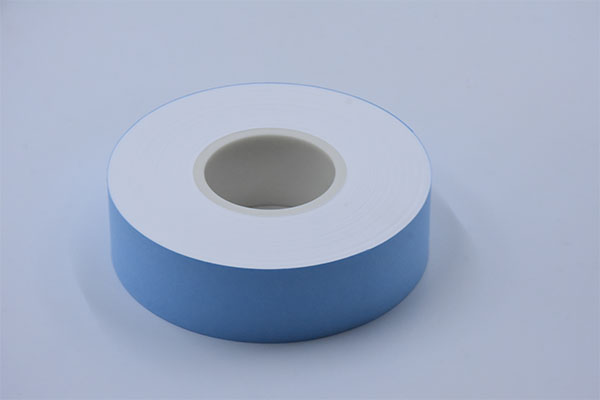
Understanding the root cause of the breakage is crucial. The BAM 1020[^1] uses a carbon 14 element to constantly emit beta rays, which pass through the glass fiber filter tape[^2] and are detected by a scintillation detector. During measurement, a beta ray count is recorded across clean filter tape, and then again after PM-laden air is pulled through the tape. The stress during this process could contribute to breakage.
Is mechanical stress[^3] the main cause of breakage?
Mechanical stress can be a significant factor causing the BAM glass fiber filter tape[^2] to break. This tape is subjected to various forces during its operation that could lead to damage or tearing.
The stress can originate from the automatic movement of the filter tape, side pressure from equipment parts, or high-speed airflows. Proper installation and calibration of the BAM 1020[^1], along with careful handling of the tapes, can minimize these mechanical stress[^3]es.
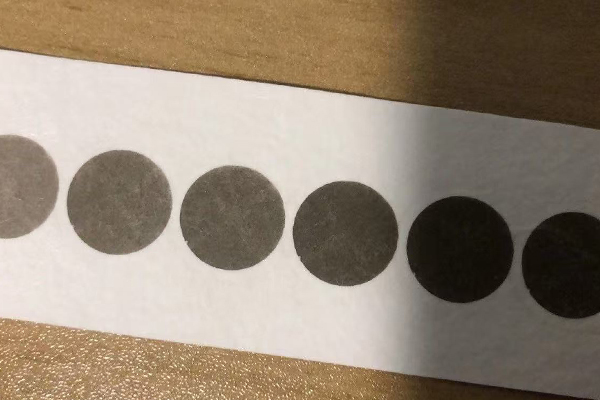
To dive deeper, consider the tape's path through the BAM 1020[^1]. The tape is exposed to continuous movement and pulling by the instrument's mechanism. If the forces applied exceed the tape's tensile strength[^7], a break can occur. Regular checks and maintenance of the machine's moving parts can help in preventing such issues. Additionally, ensuring the tape is correctly aligned and tensioned minimizes the risk of breakage due to mechanical stress[^3].
How does improper handling[^4] contribute to tape breakage?
Improper handling is another major contributor to BAM glass fiber filter tape[^2] breakage. Users must be cautious when installing or replacing tapes in the BAM 1020[^1].
Incorrect installation, excessive force, or contaminating the tape can weaken its structure. Proper training and handling techniques can reduce these risks significantly.
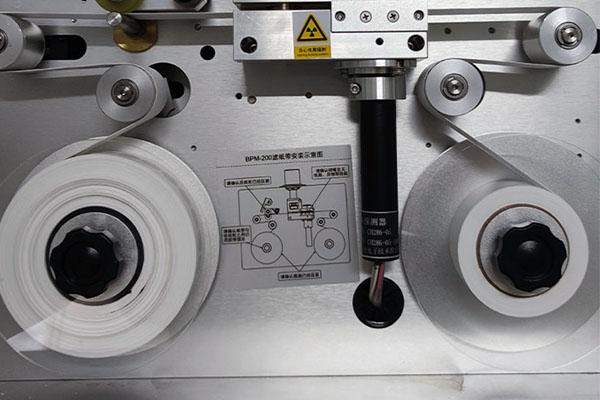
Consider the necessary precautions during tape handling. Always use gloves to prevent contamination from oils and dirt. Ensure the tape is stored in a dry, clean environment to maintain its integrity. During installation, avoid stretching or twisting the tape, as this can compromise its structure. Regular training for personnel on correct handling procedures is vital in preventing breakage and ensuring consistent, accurate readings.
Does high particulate load[^5] affect the tape?
High particulate load can affect the BAM glass fiber filter tape[^2], which can result in breakage. When PM levels[^8] are high, the tape is subjected to additional stress, which could lead to tears.
The filter tape can become overloaded, leading to structural failure. Regular monitoring of PM levels[^8] and timely replacement of tapes can mitigate this issue.
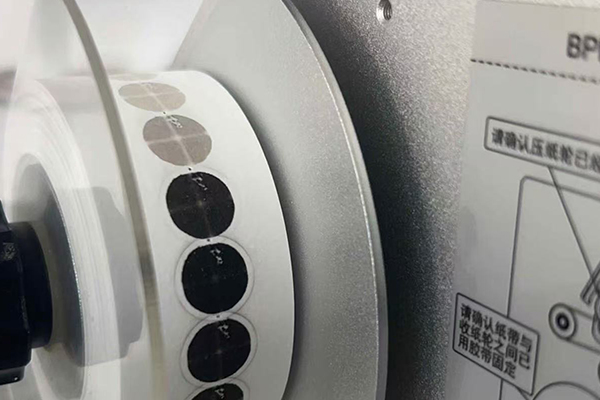
This issue is particularly significant in areas with high pollution levels. The increased particulate matter can saturate the tape faster than expected. When the tape is overloaded, it becomes more susceptible to breaking under the mechanical stress[^3] of the BAM 1020[^1]. To prevent this, users should monitor PM levels[^8] and change tapes more frequently during periods of high particulate concentration. Additionally, utilizing tapes with higher load capacity or performance specifications can be beneficial in high-load scenarios.
Conclusion
BAM glass fiber filter tape[^2] can break due to mechanical stress[^3], improper handling[^4], or high particulate load[^5]. Proper usage, handling, and regular maintenance[^6] can reduce tape breakage occurrences.
[^1]: Explore this link to understand the functionality and features of the BAM 1020, enhancing your knowledge of particulate measurement.
[^2]: Learn about the advantages of glass fiber filter tape in monitoring air quality, which can improve your understanding of its applications.
[^3]: Discover how mechanical stress impacts filter tape performance, which is crucial for maintaining accurate measurements.
[^4]: Find best practices for handling filter tape to prevent breakage, ensuring reliable data collection.
[^5]: Understand the effects of high particulate load on filter tape durability to enhance your operational strategies.
[^6]: Get maintenance tips for the BAM 1020 to ensure optimal performance and longevity of your equipment.
[^7]: Learn about tensile strength and its importance for filter tape, which can help in selecting the right materials.
[^8]: Explore the relationship between PM levels and air quality monitoring equipment to improve your monitoring practices.