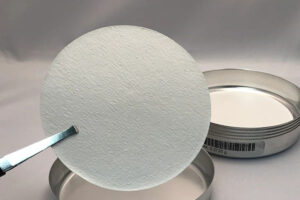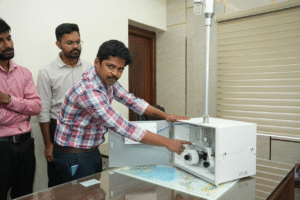


The performance of BAM glass fiber filter tape[^1] is essential for accurate environmental monitoring. But sometimes, its filtering effect[^2] might decrease, leaving users puzzled about the cause.
The filtering effect[^2] of BAM glass fiber filter tape[^1] rolls can decline due to contamination[^3], improper handling[^4], or excessive usage cycles[^5]. Regular maintenance and adherence to operational guidelines can prevent this.
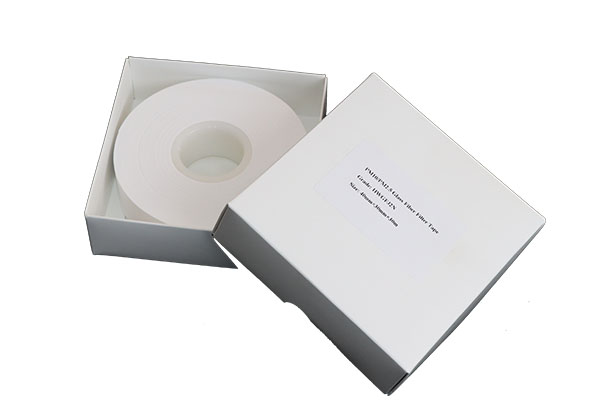
Poorly maintained filter tapes not only compromise data accuracy but could also mean costly replacements. Let's delve into the reasons for this decline and how to keep the filter tape in optimal condition.
What causes contamination[^3] in BAM glass fiber filter tape[^1] rolls?
Contamination is a major factor affecting the filter tape's efficiency. Dust, oils, or moisture can interfere with the tape's ability to filter particles effectively.
Contamination occurs when filter tapes are exposed to improper storage conditions, unclean environments, or direct contact with contaminants during handling. Proper storage and handling can mitigate this risk.
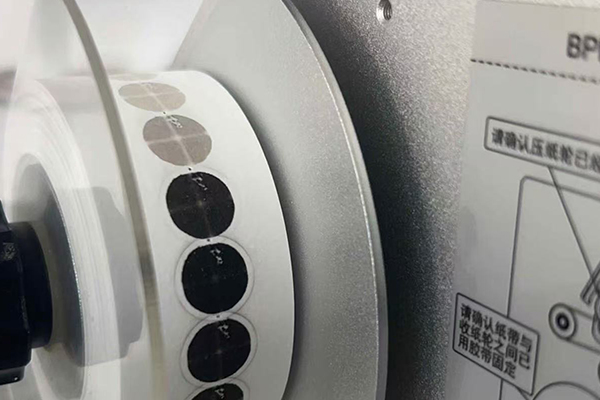
When storing BAM filter tapes, always use a clean, dry environment. Avoid touching the tape directly with bare hands, and ensure that equipment handling the tape is free from contaminants. Keep the filter tape in its original packaging until ready to use. Routine cleaning of BAM 1020[^6] devices is also necessary to prevent dust accumulation.
How does improper handling[^4] reduce filtering efficiency?
Improper handling during installation and maintenance can damage the filter tape's structure, impacting its ability to filter particles. Misalignment in the BAM 1020[^6] setup can also lead to operational issues.
Handling errors often lead to wrinkles, tears, or misaligned filter spots, which compromise the tape's efficiency. Following manufacturer guidelines prevents such issues.
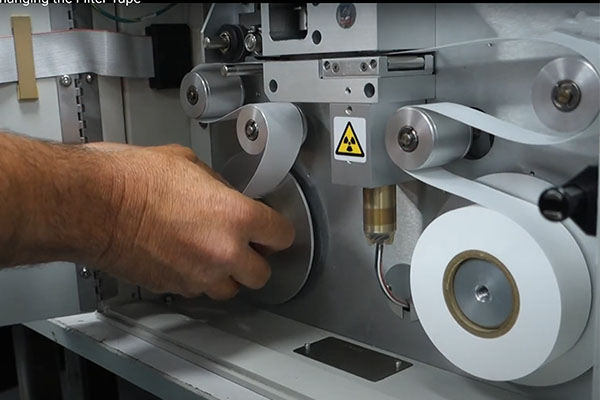
When installing the tape on the BAM 1020[^6], ensure it is seated correctly and tensioned properly. Verify that the tape is free from creases or folds that may disrupt particle collection. Cleaning the take-up spool and tape path can also prevent mechanical interference.
Can excessive usage cycles[^5] wear out filter tapes prematurely?
Every BAM glass fiber filter tape[^1] is designed for specific usage limits. Prolonged or improper use can cause the tape to degrade faster, leading to poor filtering performance.
Excessive usage cycles cause wear and tear on the filter tape, reducing its effectiveness. Following the recommended usage cycle ensures optimal filtering.
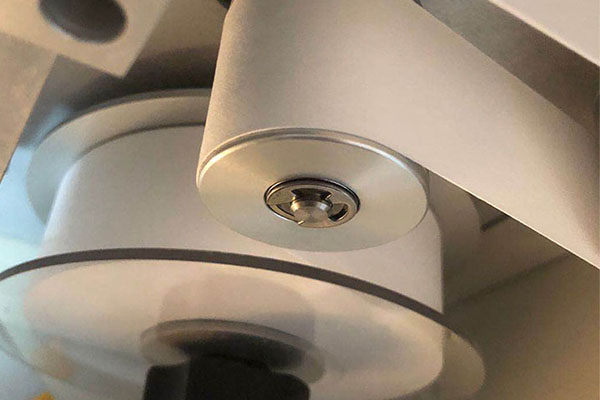
The BAM 1020[^6] automatically skips a spot daily at midnight to prevent excessive wear at specific points. This helps match filter spots with corresponding days. However, overusing the tape without considering its condition can still lead to failures. Regularly inspect the tape to identify signs of degradation like thinning or visible damage.
How does the BAM 1020[^6] design impact filter tape efficiency?
The BAM 1020[^6] is designed to position filter spots very closely to minimize tape wastage. However, if the device is not maintained well, this design feature can inadvertently impact performance.
The BAM 1020[^6]'s close positioning of filter spots can lead to overlaps or missed spots if the device is misaligned or improperly calibrated. Routine checks resolve such issues.
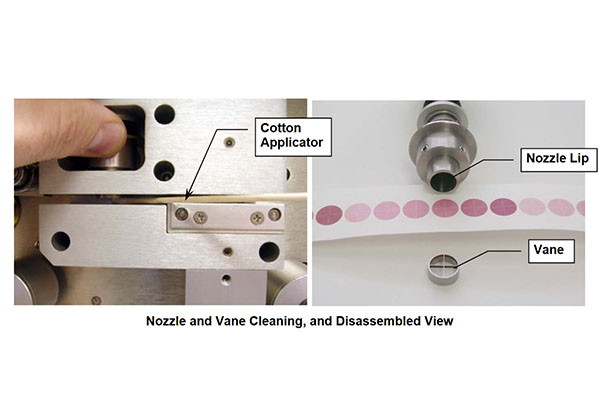
Ensure the timing and positioning systems of the BAM 1020[^6] are calibrated regularly. Accurate matching of filter spots to the hour and day they were generated is essential for reliable data collection. If the device skips a spot unexpectedly, inspect the spool alignment[^7] and operational settings.
What role does routine maintenance[^8] play?
Routine maintenance is key to preventing filter tape degradation. Neglecting regular checks can lead to gradual efficiency loss and even instrument malfunction.
Routine maintenance involves cleaning the BAM 1020[^6], checking for mechanical wear[^9], and ensuring proper spool alignment[^7]. This preserves the filter tape and device performance.
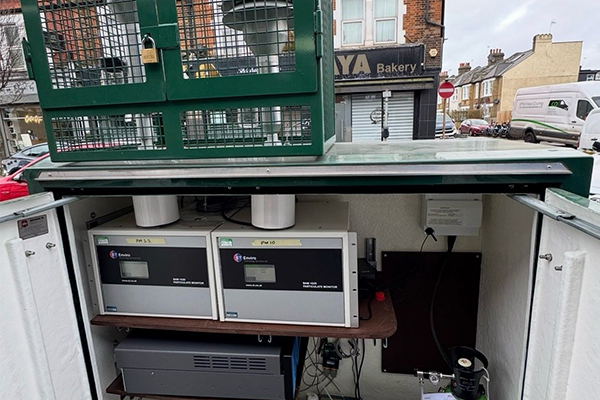
Create a maintenance schedule to clean the BAM 1020[^6] and inspect the filter tape regularly. Replace filter tapes when signs of wear and contamination[^3] are evident. Always use the recommended part number filter tape, such as Met One Instruments' 460180[^10], for best results.
Conclusion
The filtering effect[^2] of BAM glass fiber filter tape[^1] rolls can decline due to contamination[^3], handling errors, excessive usage, and device misalignment. Regular maintenance and adherence to guidelines ensure reliable performance and accurate environmental monitoring results.
[^1]: Explore this link to understand the significance and applications of BAM glass fiber filter tape in environmental monitoring.
[^2]: Learn about the importance of filtering effects in ensuring accurate environmental data collection.
[^3]: Discover the various factors that lead to contamination and how to prevent them for optimal performance.
[^4]: Find out how handling practices can affect filter tape performance and what to avoid.
[^5]: Understand the impact of usage cycles on filter tape durability and performance.
[^6]: Get insights into the BAM 1020 device and its role in enhancing filter tape efficiency.
[^7]: Discover the significance of proper spool alignment for optimal filter tape operation.
[^8]: Explore maintenance tips to prolong the life and effectiveness of filter tapes.
[^9]: Learn about the implications of mechanical wear on filter tape efficiency and data accuracy.
[^10]: Find detailed information about this specific filter tape and its advantages for environmental monitoring.