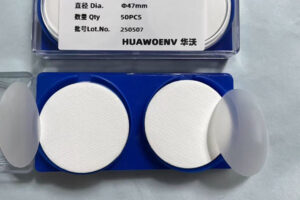

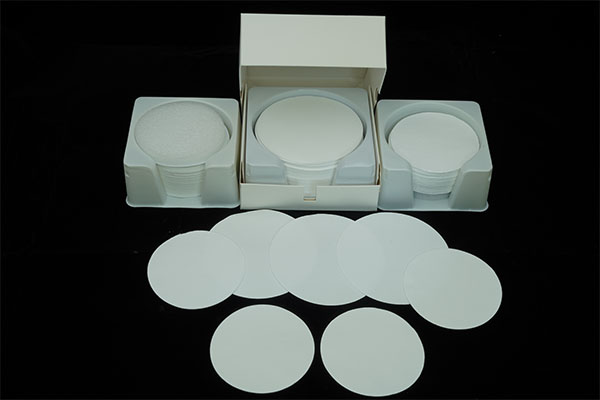
In today's fast-paced world, selecting the right filter can be overwhelming. Understanding GF/A glass microfiber filters[^1] can make your decision-making process easier.
GF/A glass microfiber filters[^1] are made of borosilicate glass[^2], offering high efficiency[^3] and fast filtration for air pollution monitoring[^4]. They're hydrophilic[^5], non-sterile, and come in packs of 100, with diameters ranging from 10 to 200 mm and a thickness of 0.26 mm. Their 1.6 μm pore size[^6] is ideal for gravimetric determination[^7] of airborne particulates, stack sampling[^8], and absorption methods.
Choosing the right filter can be daunting, but understanding the properties of GF/A filters helps. Their high loading capacity and efficiency make them ideal for air pollution monitoring[^4]. Let's explore these features further.
What Are the Properties of GF/A Glass Microfiber Filters?
The quest for high-quality filters can be challenging. GF/A glass microfiber filters[^1] provide a reliable solution with specific properties that ensure optimal performance.
GF/A glass microfiber filters[^1] are crafted from borosilicate glass[^2], ensuring durability and efficiency. They are designed to be hydrophilic[^5], allowing for fast and effective filtration. With a pore size[^6] of 1.6 μm, these filters are perfect for gravimetric determination[^7] of airborne particulates, stack sampling[^8], and absorption methods. Available in diameters from 10 to 200 mm, they come in packs of 100, offering convenience and flexibility for various applications.
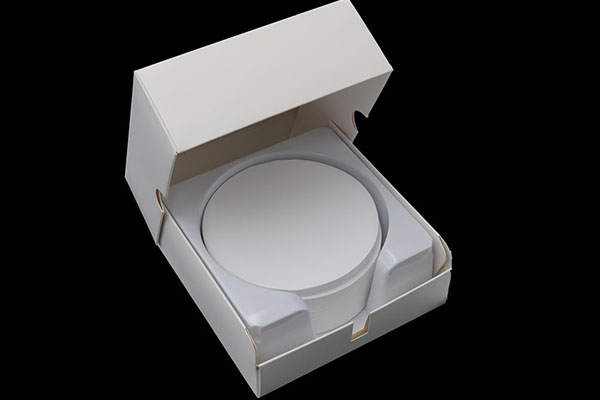
The unique properties of GF/A filters make them indispensable in air pollution monitoring[^4]. Their hydrophilic[^5] nature ensures rapid filtration, while the borosilicate glass[^2] material provides robustness. The pore size[^6] is crucial for capturing airborne particulates, enhancing the accuracy of monitoring methods. Here's a closer look at their specifications:
| Property | Description |
|---|---|
| Material | Borosilicate Glass |
| Pore Size | 1.6 μm |
| Thickness | 0.26 mm |
| Diameter | 10 to 200 mm |
| Sterility | Non-sterile |
| Packaging | Pack of 100 |
| Suitability | Airborne particulates, stack sampling[^8], absorption |
How Do GF/A Glass Microfiber Filters Benefit Air Pollution Monitoring?
Air pollution monitoring requires precision and reliability. GF/A glass microfiber filters[^1] offer distinct advantages for accurate measurements.
The high loading capacity of GF/A filters ensures they can capture a significant amount of airborne particulates without compromising efficiency. Their hydrophilic[^5] nature allows for quick absorption and filtration, making them ideal for rapid sampling methods. The borosilicate glass[^2] construction provides strength and temperature resistance, crucial for stack sampling[^8] applications.

Monitoring air pollution demands filters that provide consistent and precise results. GF/A filters excel in this area, offering reliability and efficiency. Their design and material composition make them perfect for various applications, ensuring accurate data collection. Here's how they benefit air pollution monitoring[^4]:
- Fast Filtration: The hydrophilic[^5] nature allows for quick absorption and filtration.
- High Loading: Capable of capturing significant amounts of particulates.
- Robust Construction: Borosilicate glass ensures durability and temperature resistance.
- Versatile Applications: Suitable for gravimetric determination[^7], stack sampling[^8], and absorption methods.
Conclusion
GF/A glass microfiber filters[^1] provide fast, efficient, and reliable filtration for air pollution monitoring[^4] applications.
[^1]: Explore this link to understand the unique features and applications of GF/A glass microfiber filters in detail.
[^2]: Learn about borosilicate glass and why it's preferred for making durable and efficient filters.
[^3]: Discover the importance of high efficiency in air filtration systems and how it impacts air quality.
[^4]: Explore best practices in air pollution monitoring to ensure accurate and reliable data collection.
[^5]: Find out how hydrophilic properties enhance filtration speed and effectiveness in various applications.
[^6]: Understand the significance of pore size in filters and its impact on capturing airborne particulates.
[^7]: Discover how gravimetric determination is used to analyze airborne particulates and its importance in environmental studies.
[^8]: Learn about stack sampling techniques and their role in measuring emissions from industrial sources.