In the world of filtration, every micron matters. Are you in search of a filter with exceptional performance for your laboratory or industrial applications?
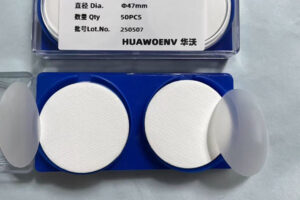
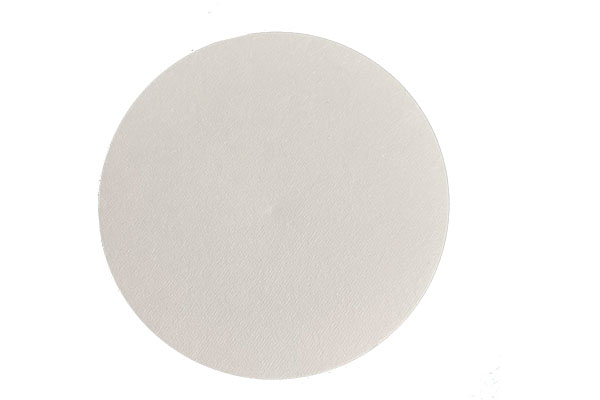
HuaEnv Grade GF/A glass microfiber filters[^1] are an excellent choice for various filtration needs. With a nominal particle retention of 1.6 µm[^2] at 98% efficiency, these filters are ideal for monitoring water and air pollution, filtering algae cultures, and many more applications.
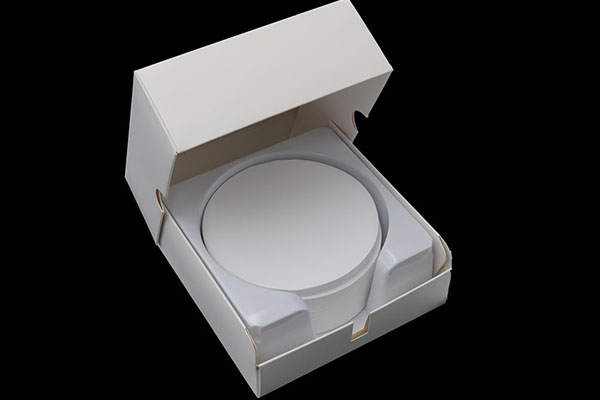
These filters offer fine particle retention, making them suitable for numerous uses, including water and air pollution monitoring, foodstuff analysis, and protein filtration. Their versatility and high efficiency provide reliable results across different sectors.
Why Choose HuaEnv GF/A Glass Microfiber Filters?
Precision and reliability can make or break your filtration process. Are you making the right choice with your current filters?
HuaEnv GF/A filters are binder-free[^3], ensuring no risk of contamination. They can handle large sample volumes, making them perfect for high-demand applications like wastewater filtering and gravimetric determination of airborne particulates.
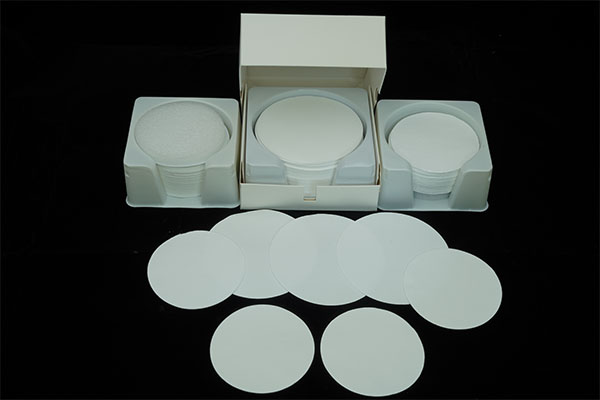
When dealing with applications like radioimmunoassay of weak β emitters, the filters' borosilicate glass material provides stability even at high temperatures, up to 550°C. Their hydrophilic nature makes them easy to wet, ensuring smooth operation in aqueous environments.
Dive Deeper into Filter Specifications
To make an informed decision, understanding filter specifications is crucial. Let's explore these filters in detail:
| Specification | Description |
|---|---|
| Product Code | 1820-047 |
| Material | Borosilicate Glass |
| Particle Retention | 1.6 µm |
| Nominal Thickness | 260 µm |
| Max Temperature | 550 °C |
| Air Flow Rate | 4.3 s/100 ml/in² |
| Water Flow Rate | 143 ml/min |
| Basis Weight | 53 g/m² |
| Filter Size | 110 mm Diameter |
| Filter Shape | Circle |
| Binder Type | Binder-Free |
| Pack Size | 100 |
These filters are nonsterile and come in various diameters, from 10 to 200 mm, ensuring you have the right size for your needs. The GF/A grade glass fiber is trusted for its high performance and reliability.
How Do These Filters Benefit Diverse Industries?
Meeting industry standards is essential. Are you utilizing filters that cater to your specific industry requirements?
In environmental monitoring[^4], these filters are used for PM10 and TSP sampling, which helps in determining mass concentration and element source analysis. In the food industry, they are vital for analyzing fat content. The filters' durability at high temperatures also supports their use in fixed pollution source exhaust monitoring.

For laboratories, the filters' ability to handle large sample volumes without compromising on accuracy makes them invaluable. Their application in gravimetric analysis[^5] supports precise determination of airborne particulates, crucial for maintaining air quality standards.
Conclusion
HuaEnv Grade GF/A glass microfiber filters[^1] provide efficient filtration with fine particle retention, supporting diverse industries from environmental monitoring[^4] to food analysis. With their binder-free[^3] construction and high-temperature resistance[^6], they are a reliable choice for any demanding application.
[^1]: Explore the advantages of these filters for various applications, ensuring you make an informed choice. [^2]: Understanding particle retention is key to selecting the right filter for your needs. [^3]: Discover why binder-free filters are crucial for preventing contamination in sensitive processes. [^4]: Find out how filtration plays a vital role in monitoring air and water quality. [^5]: Gain insights into gravimetric analysis and the importance of accurate filtration in this process. [^6]: Learn about filters that can withstand high temperatures, ensuring reliability in demanding environments.