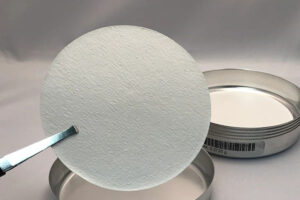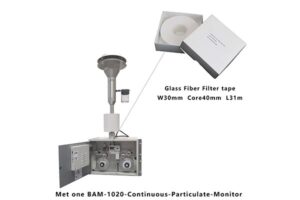

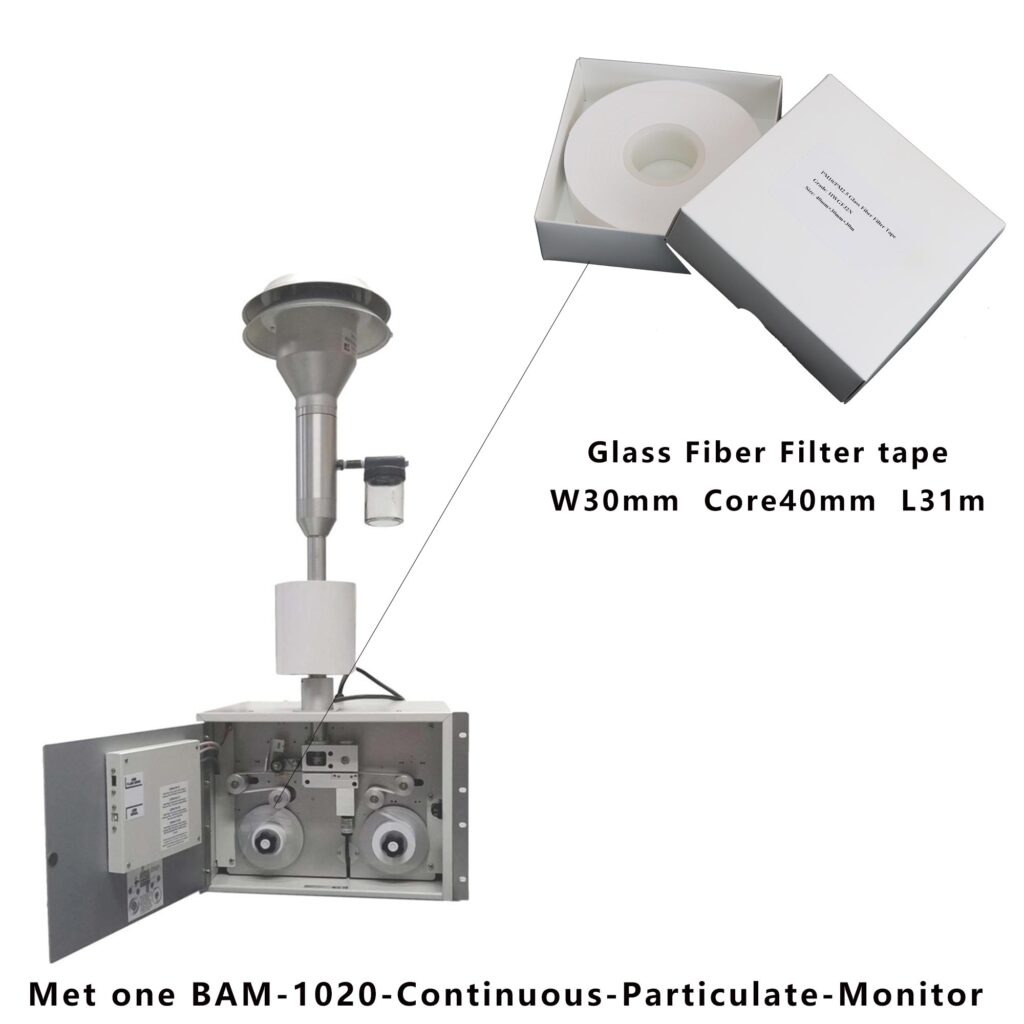
When a BAM Glass Fiber Filter Tape Roll[^1] arrives damaged, it can disrupt operations and delay monitoring tasks. Addressing this promptly is crucial to maintain the accuracy of your particulate measurement processes[^2].
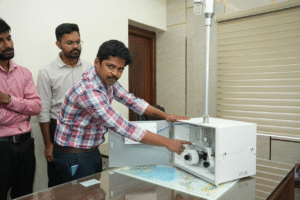
First, replace the damaged BAM Glass Fiber Filter Tape Roll[^1] immediately to ensure continuity in your monitoring system. Evaluate whether the damage is due to tape quality, transportation issues, or installation errors during the setup of the continuous particulate monitor.
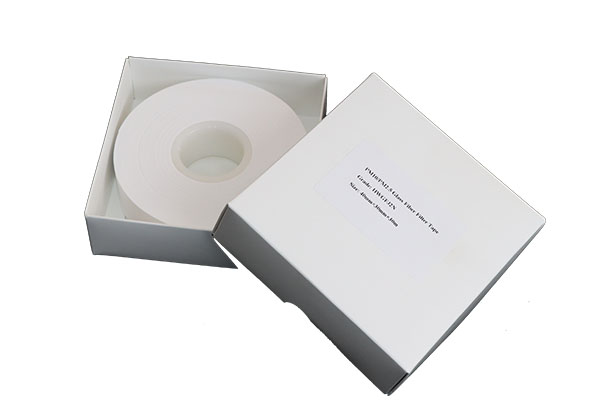
If your BAM 1020 beta attenuation mass monitor[^3] fails to function properly after replacing the tape roll, ensure all installation steps were correctly followed and that the equipment is calibrated. The Met One Instruments BAM 1020 automatically measures and records ambient particulate mass concentration[^4] levels using beta ray attenuation[^5]. This precise method calculates ambient particulate matter concentrations in mg/m³ or μg/m³ by detecting beta ray counts across clean and PM-laden filter tape.
How does the BAM 1020 measure particulate mass concentration?
The BAM 1020 operates based on beta ray attenuation[^5], a process that accurately measures particulate matter concentrations. Understanding this mechanism is essential for troubleshooting issues with the BAM Glass Fiber Filter Tape Roll[^1].
Beta ray attenuation involves detecting the reduction in beta ray counts as they pass through PM-laden filter tape. The difference in beta ray counts between clean and dirty tape determines particulate mass concentration.
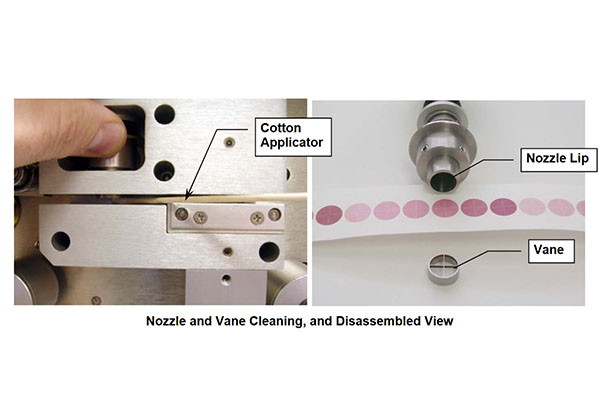
During operation, the BAM 1020 uses a small 14C (carbon-14) element to emit beta rays. These rays traverse the glass fiber filter tape and are detected by a scintillation detector[^6]. At the start of the cycle, beta ray intensity (I₀) is measured across clean tape. Then, PM-laden air is pulled through the filter tape using an external pump. The beta ray intensity (I₃) is measured again across the PM-laden tape. By comparing I₀ to I₃, the monitor calculates the mass density of particulate matter collected on the tape. This method provides consistent and reliable data for ambient air quality analysis.
What steps should you take to prevent similar issues in the future?
Damaged filter tape rolls can lead to operational delays. Identifying the root cause and implementing preventive measures ensures uninterrupted monitoring.
Inspect all incoming shipments of BAM Glass Fiber Filter Tape Roll[^1]s for damage. Train staff on proper installation procedures and ensure equipment calibration[^7] to minimize errors during setup. Use robust packaging and reliable transport services to avoid damage during shipping.
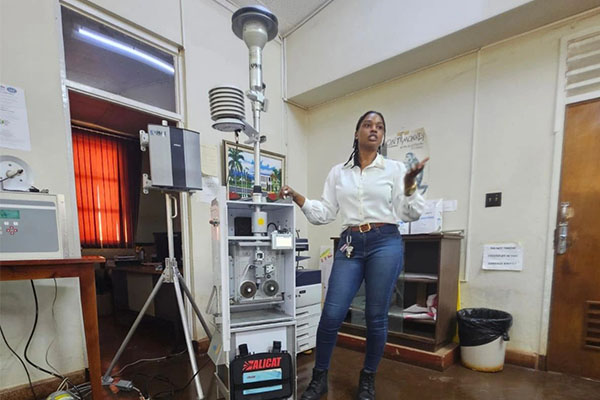
To further reduce risks, establish a checklist for equipment calibration[^7] and maintenance. Confirm that the BAM 1020 is functioning according to its specifications. Keep spare filter tape rolls in stock to address damage or shortages immediately. By proactively addressing transport, installation, and operational challenges, you'll ensure uninterrupted air quality monitoring.
| Issue | Root Cause | Preventive Measures |
|---|---|---|
| Damaged Tape Roll | Transportation mishandling | Use robust packaging and reliable shipping services |
| Installation Errors | Incorrect setup procedures | Train staff on proper installation techniques |
| Calibration Problems | Equipment misalignment | Perform regular calibration checks |
How does consistent monitoring benefit air quality analysis?
Reliable air quality monitoring data is vital for environmental analysis, policy-making, and public health initiatives. Ensuring the BAM 1020 operates seamlessly helps achieve these goals.
The BAM 1020 provides accurate, continuous readings of particulate matter concentrations, essential for tracking air quality trends and identifying pollution sources.

Routine maintenance of your BAM 1020 ensures consistent data collection. Accurate particulate concentration measurements support regulatory compliance and inform decisions about environmental protection. Damage to filter tape rolls or equipment malfunctions can compromise data integrity. Therefore, swift identification and resolution of issues are crucial for dependable air quality monitoring.
Conclusion
When a BAM Glass Fiber Filter Tape Roll[^1] is damaged, quick replacement and troubleshooting are essential to maintain air quality monitoring. Regular inspections and proper installation prevent future issues.
[^1]: Explore this link to understand the significance of BAM Glass Fiber Filter Tape Rolls in air quality monitoring.
[^2]: Discover the various processes involved in measuring particulate matter for accurate air quality assessments.
[^3]: Learn about the functionality of beta attenuation mass monitors and their role in measuring particulate matter.
[^4]: Find out why measuring ambient particulate mass concentration is crucial for environmental health.
[^5]: Understand the principle of beta ray attenuation and its application in monitoring air quality.
[^6]: Explore the technology behind scintillation detectors and their importance in measuring beta rays.
[^7]: Learn about the significance of regular equipment calibration for accurate air quality data.