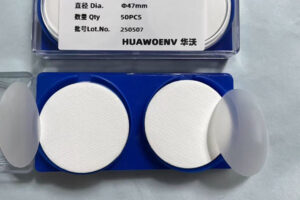

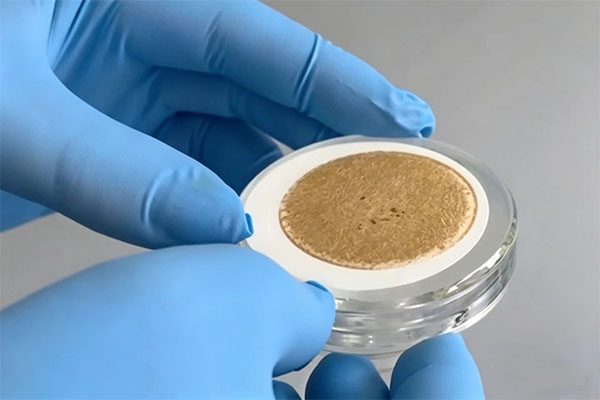
Glass microfiber filters[^1] are essential for high-efficiency filtration. They tackle pollution monitoring, wastewater filtering[^2], and more. Their reliability means precise results in environmental and laboratory applications.
Glass microfiber filters[^1], like Grade GF/A[^3], offer fine particle retention[^4] (1.6µm at 98% efficiency), fast flow rates[^5], and suitability for large-volume liquid and air filtration, ensuring accurate and efficient monitoring.
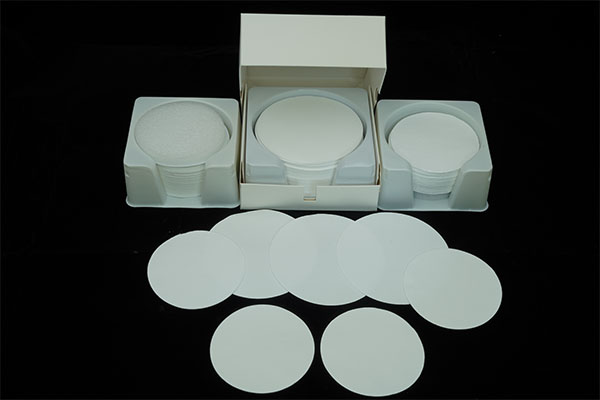
Grade GF/A[^3] filters are versatile. Their binder-free design[^6] and high capacity[^7] ensure they excel in pollution monitoring and wastewater treatment. Let's explore their features and applications.
What makes glass microfiber filters unique?
Glass microfiber filters[^1] stand out for their efficiency, durability, and adaptability. They address challenges in environmental monitoring and laboratory testing where precision and reliability are crucial.
Glass microfiber filters[^1] retain particles down to 1.6µm, provide high sample capacity, and deliver efficient filtration for large volumes, making them ideal for water and air pollution monitoring[^8].
Beyond their particle retention, their fast flow rates[^5] make them ideal for time-sensitive applications. They're binder-free, ensuring robust performance without chemical interference. Their design is perfect for monitoring pollution, wastewater processing, and more.
| Feature | Benefits |
|---|---|
| Fine particle retention | Ensures precise filtration down to 1.6µm at 98% efficiency |
| High capacity | Handles large sample volumes seamlessly |
| Fast flow rates | Facilitates quick filtration processes |
| Binder-free design | Eliminates chemical interference for pure results |
How do glass microfiber filters assist in water pollution monitoring[^9]?
Water pollution poses a global challenge. Detecting and analyzing contaminants accurately is vital for environmental protection and public health.
Glass microfiber filters[^1] are suited for water pollution monitoring[^9] as they retain fine particles (1.6µm), assess contaminants, and support large sample filtration efficiently.
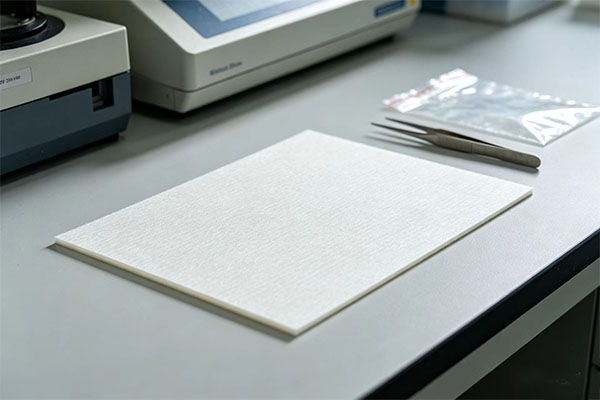
These filters help analyze particulate matter in water samples. They are critical for determining pollutant levels. Their efficiency ensures reliable data for regulatory compliance and pollutant source identification. They also play a role in wastewater filtering[^2], enabling cleaner water outputs.
Application Examples:
- Monitoring industrial wastewater discharge.
- Testing surface water for contaminants.
- Assessing drinking water quality.
Why are glass microfiber filters ideal for air pollution monitoring[^8]?
Air pollution impacts health and the environment. Filtering airborne particulates effectively helps assess quality and identify pollution sources.
Grade GF/A[^3] microfiber filters capture airborne particulates efficiently to assist in air pollution monitoring[^8], ensuring accurate gravimetric analysis and regulatory compliance.

These filters retain particulate matter, enabling precise measurements for environmental studies. They are especially useful for gravimetric determination of airborne particulates, helping monitor PM10 and PM2.5 levels. With their fast flow rates[^5], they facilitate frequent sampling without compromising accuracy.
Key Usage Areas:
- Gravimetric analysis of PM levels.
- Industrial emissions monitoring.
- Urban air quality studies.
How are glass microfiber filters used in wastewater filtering[^2]?
Wastewater filtering ensures cleaner water outputs, protecting ecosystems and human health from pollutants.
Glass microfiber filters[^1], with their fine particle retention[^4] and high capacity[^7], excel in filtering wastewater containing contaminants and organic materials.
Their high capacity[^7] allows handling large volumes of wastewater efficiently. They remove particulates and contribute to the assessment and reduction of pollutants in treated water. These filters are widely used in industries where wastewater treatment is mandatory.
Industry Applications:
- Chemical manufacturing wastewater treatment.
- Municipal wastewater processing.
- Agriculture runoff filtering.
What are other notable uses of glass microfiber filters?
Beyond pollution monitoring, these filters find their place in specialized lab analyses[^10] and research.
Glass microfiber filters[^1] are used in foodstuff analysis, protein filtration, algae and bacteria culturing, and radioimmunoassay, showcasing their adaptability.
In foodstuff analysis, they help identify contaminants or analyze nutritional content. For algae and bacteria cultures, they ensure clarity and purity. In protein filtration, their efficiency supports biochemical research. They even assist in radioimmunoassays of weak β emitters for medical studies.
Versatile Applications:
- Food quality testing.
- Biochemical protein analysis.
- Microbial culturing in research.
Conclusion
Glass microfiber filters[^1], like Grade GF/A[^3], combine precision, efficiency, and versatility. They're indispensable for monitoring water and air pollution, wastewater filtering[^2], and specialized lab applications.
[^1]: Explore how Glass microfiber filters enhance environmental monitoring and filtration processes.
[^2]: Understand the effectiveness of these filters in ensuring cleaner water outputs from wastewater.
[^3]: Learn about the unique features of Grade GF/A filters that make them ideal for various applications.
[^4]: Discover the importance of fine particle retention in achieving high filtration efficiency.
[^5]: Find out how fast flow rates can improve filtration processes and efficiency.
[^6]: Explore the advantages of binder-free designs in ensuring pure and reliable filtration results.
[^7]: Understand the significance of high capacity in handling large sample volumes effectively.
[^8]: Discover how these filters help in assessing air quality and identifying pollution sources.
[^9]: Learn how these filters play a crucial role in monitoring and analyzing water pollution.
[^10]: Explore the diverse uses of these filters in various laboratory settings and research.